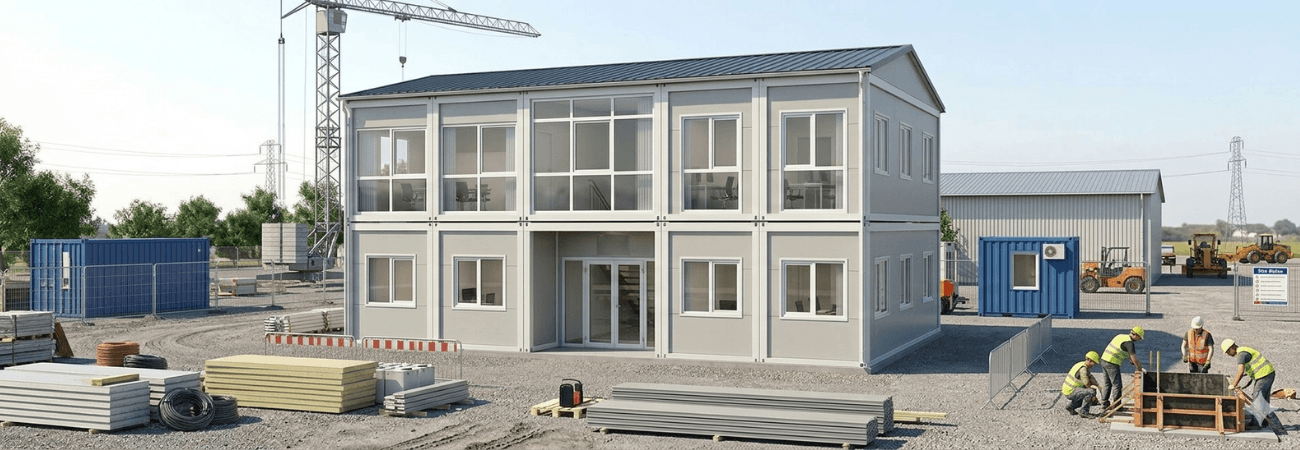
Office container solutions offer businesses quick installation and flexible use. Used in many settings, from construction sites to corporate campuses, these structures deliver advantages in both cost and efficiency when chosen correctly.
When choosing an office container, you need to analyze your needs accurately and take the technical details into account.
Office Container Size and Space Planning
Space planning is one of the most important criteria when choosing an office container. It should be based on the size of the site, the number of employees and the equipment that will go inside the office.
- How many people will work there?
- Is a meeting area needed?
- Is storage space required?
The right size should be determined based on the answers to these questions. Too little space lowers productivity, while more space than you need increases costs.
Office Container Insulation and Climate Control
Insulation is one of the key factors directly affecting office container performance. Buildings made with the sandwich panel system provide thermal and sound insulation, keeping the working environment balanced.
- With proper insulation:
- Heating and cooling costs go down
- The indoor temperature is maintained
- Outside noise is kept to a minimum
Energy-efficient air conditioning systems should be chosen for climate control.
Office Container Electrical and Infrastructure Systems
A modern office requires robust infrastructure. Properly planned electrical and internet systems keep business processes running without interruption. Points to consider:
- Enough outlets in the right positions
- Safe electrical wiring
- High-speed internet infrastructure
- Surge protection systems
Choose flexible infrastructure that can adapt to future needs.
Office Container Natural Light and Lighting
Natural light directly affects productivity, so window placement should be carefully planned.
- Make the most of daylight
- Use shading solutions where necessary
For artificial lighting, choosing LED systems helps save energy.
Office Container Durability and Security
Office containers house equipment and important documents, so structural durability and security should be a priority.
- Durable materials
- Reinforced door and window systems
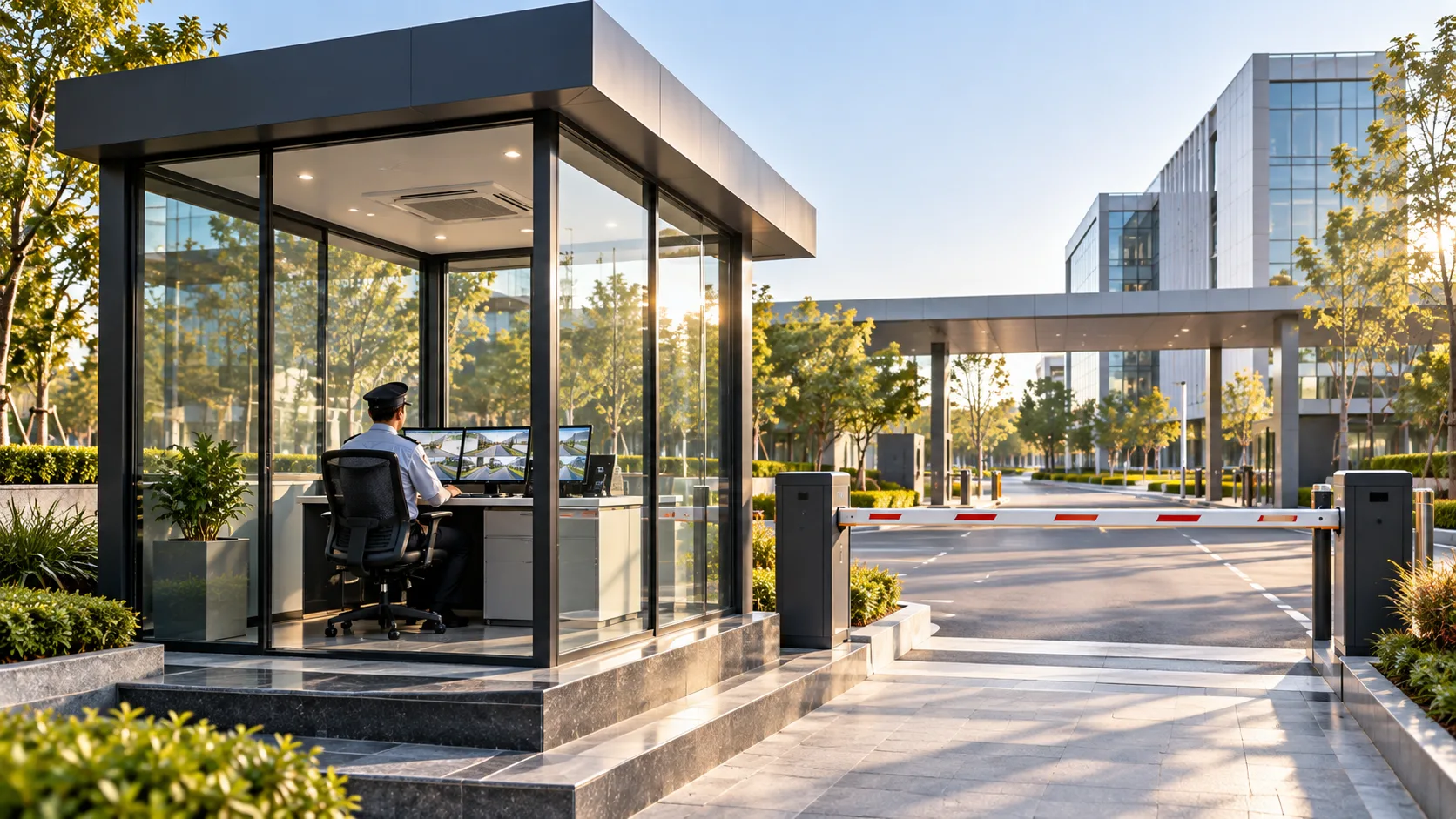
- Camera and alarm systems
Together, these elements create a secure workspace.
Office Container Portability and Modular Design
One of the biggest advantages of office containers is that they are portable, so they can be reused on different projects.
- Easy installation and dismantling
- Dimensions that comply with transport standards
- Modular expansion options
These features are a major advantage, especially when the units are used as site containers.
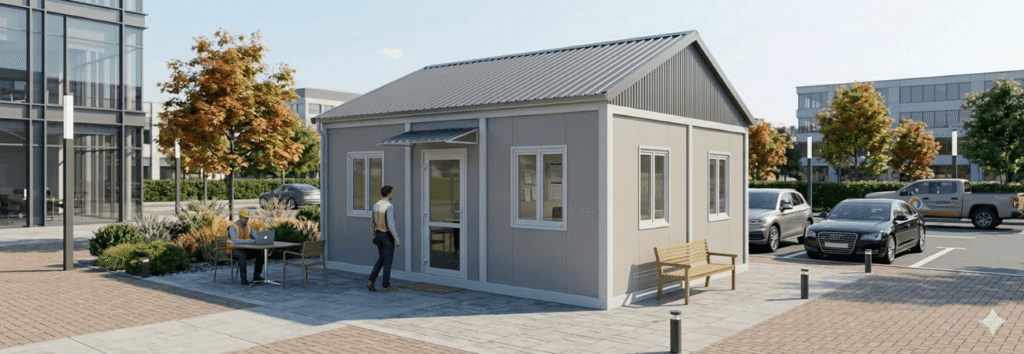
Evaluating Office Container Prices
When choosing an office container, cost is not limited to the purchase price. Long-term expenses should also be taken into account.
- Energy consumption
- Maintenance and repair costs
- Transport and installation costs
- Additional equipment and customization costs
A quality building may cost more up front, but it saves money in the long run.
For the office container models that suit you best, click here.
The Role of Container Offices in Large Projects
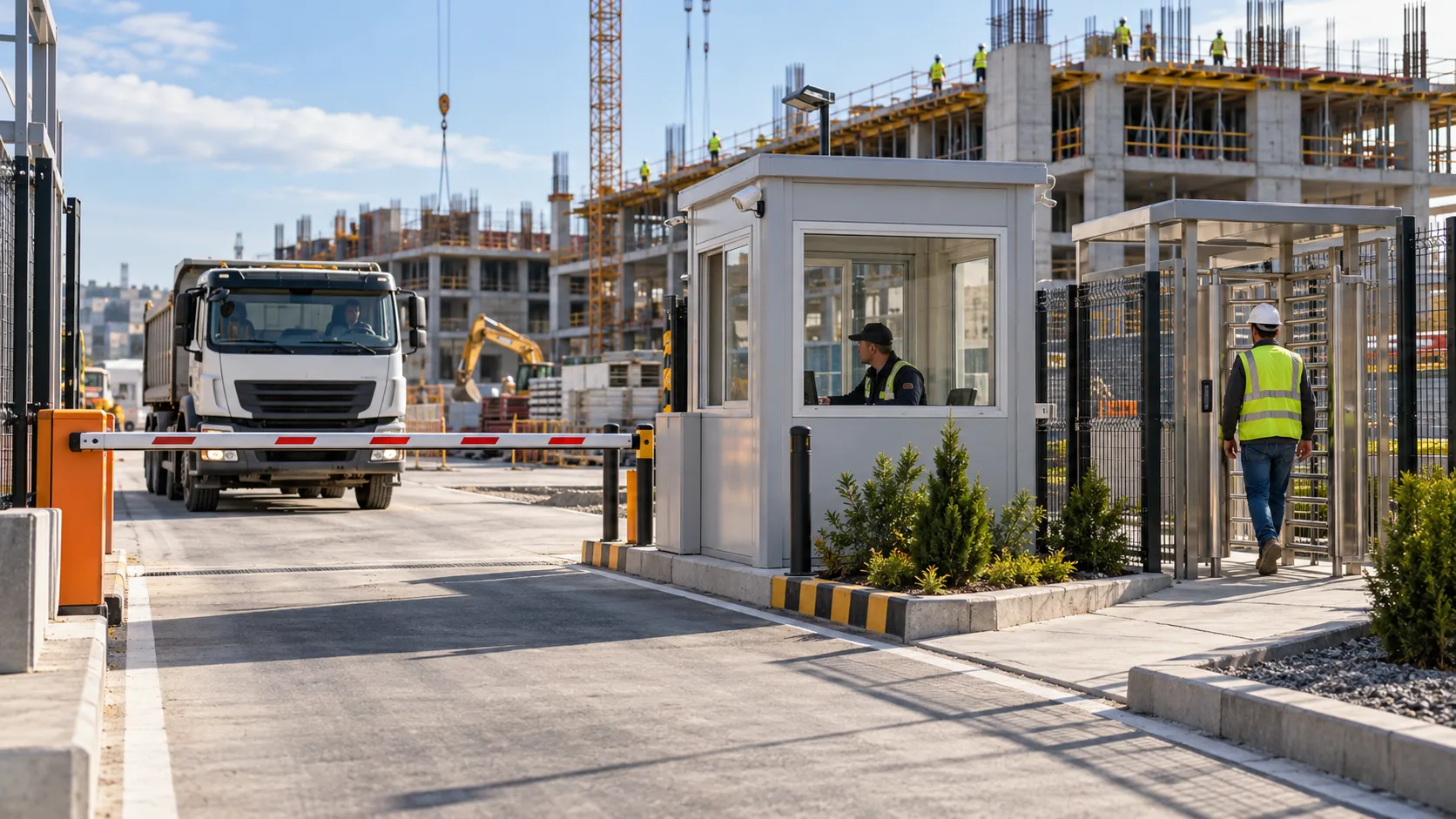
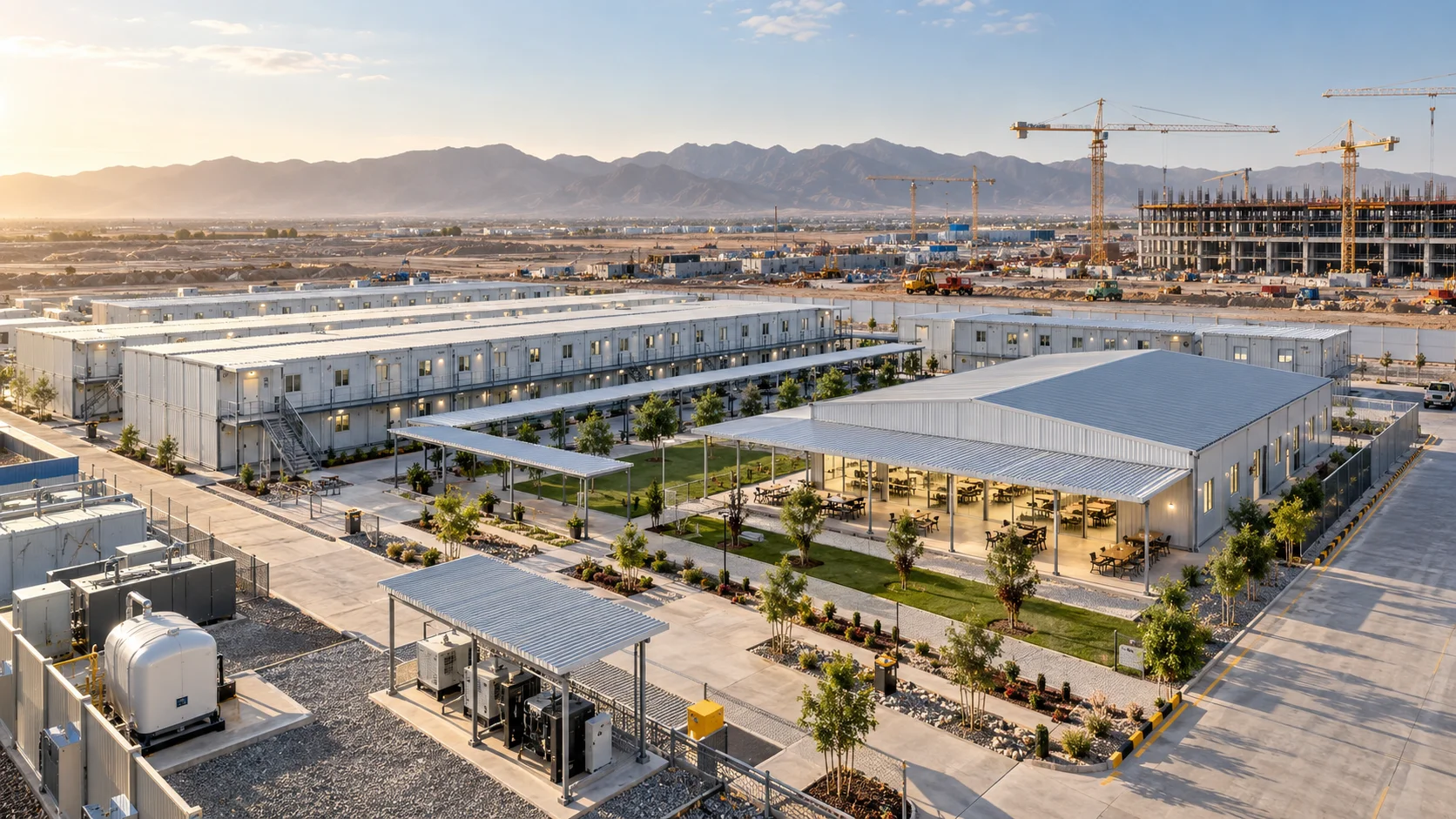
In large-scale projects, container offices form the hub of site management. Positioned within the project area, these buildings make coordination between teams easier. With site container solutions:
- Offices can be set up quickly on site
- Communication between teams is strengthened
- Operations run in a more organized way
Their modular structure also allows them to adapt to different project phases.
Frequently Asked Questions
1. What is the most important criterion when choosing an office container?
Space planning and insulation properties are among the most critical factors. In addition, the quality of the panels and corrosion-resistant steel components are key to ensuring the building can be used safely for many years without losing its shape in harsh site conditions.
2. Are office containers portable?
Yes. Thanks to their modular structure, they can easily be moved to different locations. These buildings can be transported in one piece by crane or dismantled for shipping, so when your project is finished you can effortlessly move your investment to another operation.
3. Are they economical in the long run?
Containers that are chosen correctly and made from quality materials provide a cost advantage in the long run. Lower maintenance costs compared with traditional reinforced concrete buildings and energy-efficient insulation layers minimize your operating expenses and contribute directly to your budget.
Get a quote from us now.