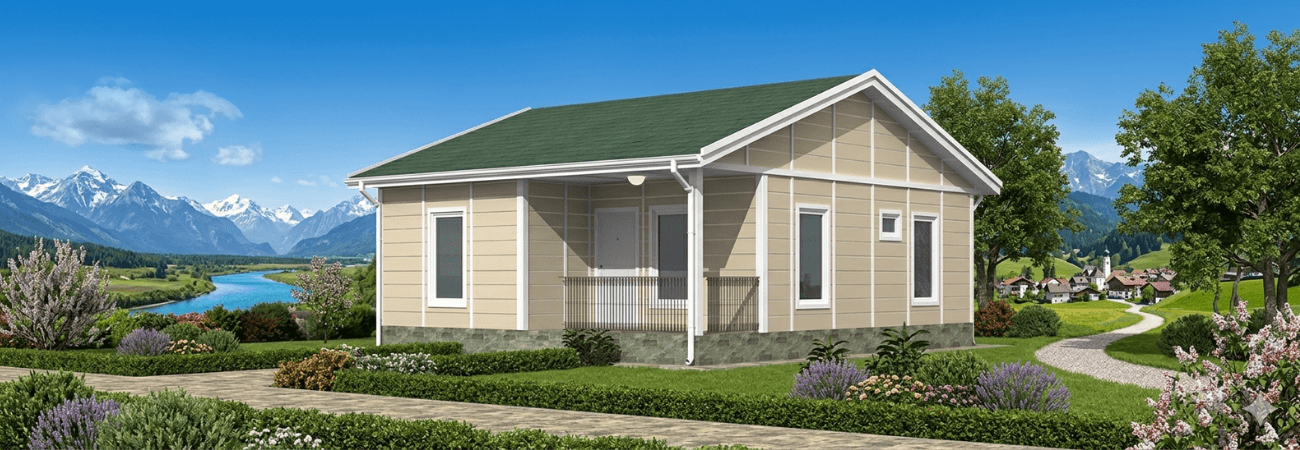
Prefabricated houses stand out not only for their durability and long service life but also for their attractive designs. Built in a range of sizes and styles, these homes can be customized to suit each buyer’s needs, offering living spaces that are both functional and stylish. Here are the leading design trends in prefabricated houses today:
Walls painted in primary colors
These days, most homeowners are choosing wall paint in primary colors. Some spaces also feature powder and cream tones, but white remains the most common choice for interior walls overall. White helps a room look larger and feel more airy.
Minimalist room sizes
You can set the room sizes of the house you choose yourself. This customization needs to be decided before production of the structure begins. Today, more and more people are embracing a minimalist approach, so smaller but highly functional rooms are generally preferred. Built-in wardrobes are the usual choice in bedrooms, and rooms are sized with this preference in mind.
Minimalist furniture
Lately, people have been opting for minimalist or multifunctional furniture. Since minimalist rooms are the norm, the furniture naturally needs to be functional or versatile as well. That way, a single space can meet two or three needs at once.
Tall windows
When people look out the window, they now want to see greenery, not concrete. That’s why many homeowners are choosing tall windows, which let them enjoy the view of the outdoors from inside. These tall windows can also open directly onto the garden, making it easy to step in and out.
Open-plan kitchen
Open-plan (American-style) kitchens have also become increasingly popular, because this layout makes the home feel more spacious. As a result, the living room feels larger and more open. You too can purchase one of these homes and start using it right away.
Insulation Materials in Prefabricated Houses
Insulation is just as important as durability in prefabricated houses. It is carried out in three stages:
1. Wall Insulation
Wall insulation made with EPS (expanded polystyrene) is easy to install and provides fire resistance.
2. Roof Insulation
Rock wool provides both thermal and acoustic insulation in the roof. It blocks outdoor heat and cold and reduces the noise of rain.
3. Window Insulation
Double-glazed PVC windows complete the thermal, acoustic and water insulation, so the homes can be used safely in all four seasons.
The Production Process of Prefabricated Houses
Prefabricated houses are produced with state-of-the-art systems in four main stages:
Factory Production
Once the design and customization are finalized, production begins at the factory. Materials are carefully selected and processed in line with the relevant standards.
Shipping
The finished building components are transported safely to your property. At this stage, safety takes priority over speed.
Installation
Installation is carried out by expert crews. A concrete foundation must be prepared before installation. Doors, windows, electrical and plumbing connections are then completed.
Handover
Once installation and all inspections are complete, the house is handed over ready for use. The electrical system, light fixtures and other fittings are all in place.
Frequently Asked Questions
1. Can I make changes to the interior and exterior design of a prefabricated house?
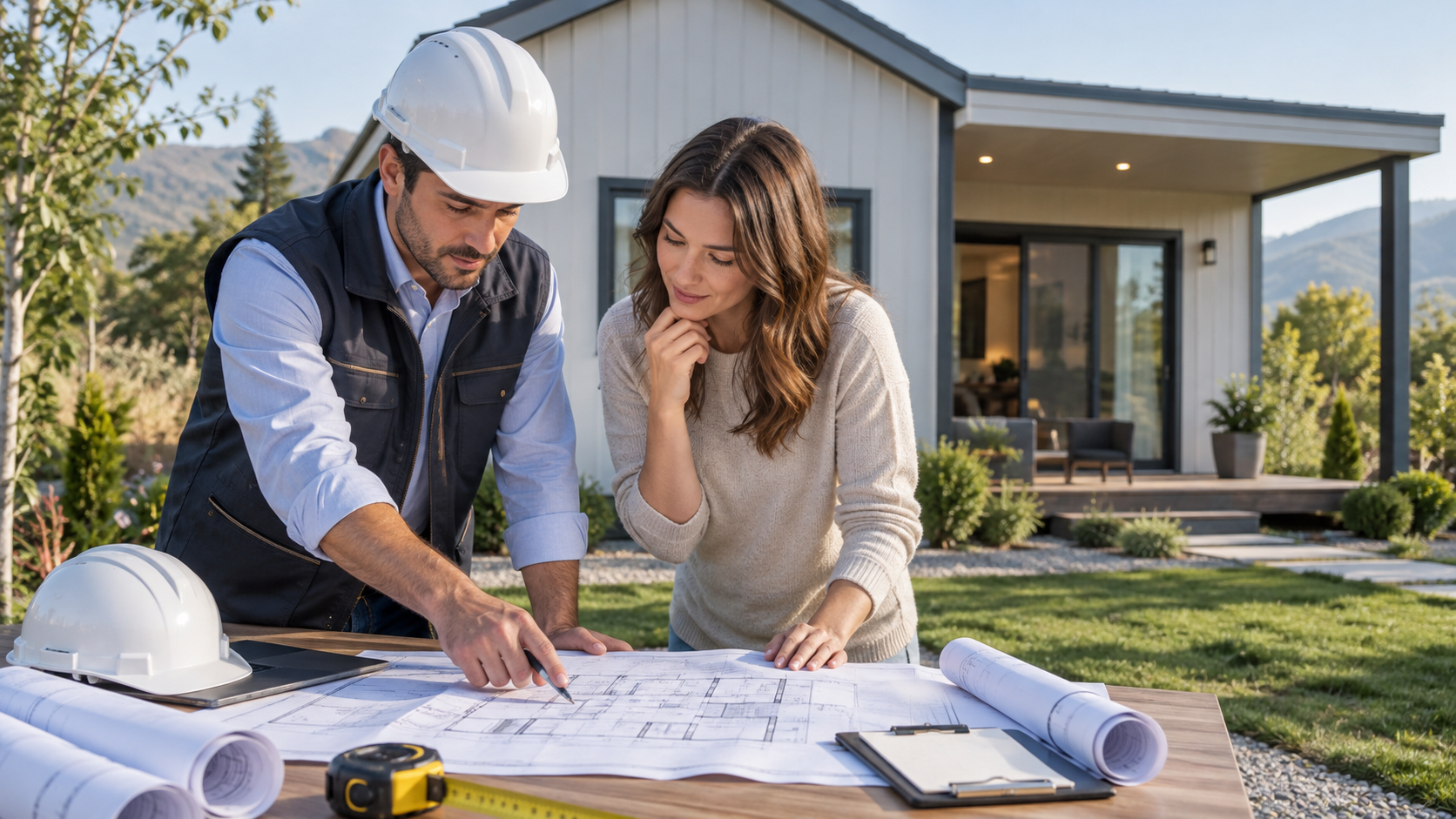
Yes. One of the biggest advantages of prefabricated houses is that they can be personalized. Before production begins, room sizes, window placement, kitchen style (such as an open-plan kitchen) and wall colors can all be planned entirely to your taste. However, to preserve structural safety, changes to the main load-bearing panels are not recommended once production is complete.
2. How efficient are prefabricated houses in terms of heating and insulation?
Thanks to the EPS (expanded polystyrene) used in the walls and the rock wool used in the roof, prefabricated houses offer high energy efficiency. These materials help maintain the indoor temperature, lowering heating and cooling costs. Double-glazed PVC windows also seal out noise and heat loss, creating a comfortable living space all year round.
3. Can I move my prefabricated house to another location whenever I want?
Because prefabricated buildings use a modular system, they can be dismantled and reassembled. If needed, your home can be disassembled by expert crews, shipped to another plot and reinstalled there. This makes a prefabricated house a flexible investment that goes beyond conventional real estate.