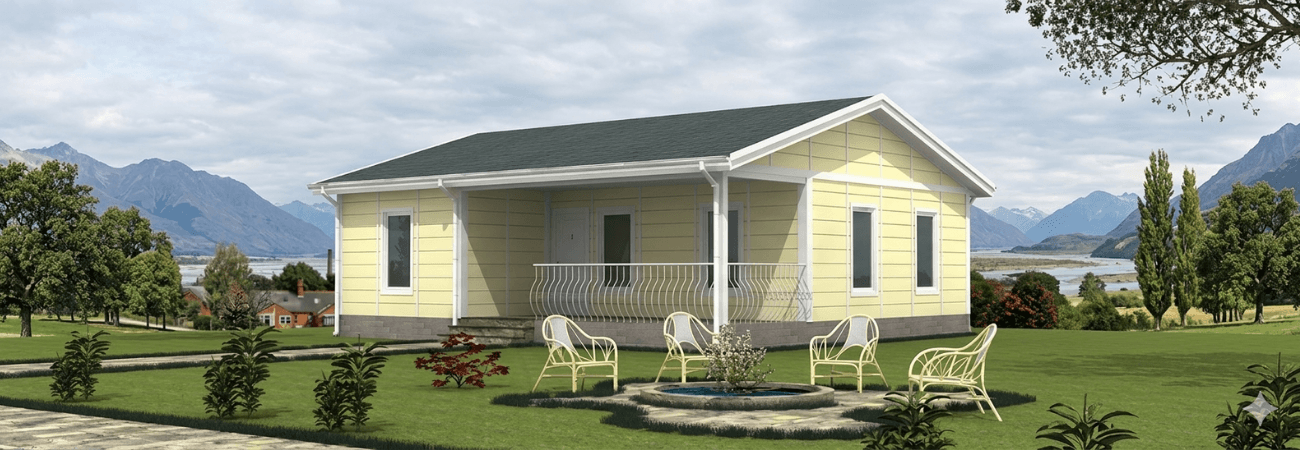
Thanks to their durability, long service life and low cost, prefabricated houses are a popular choice, especially in villages and rural areas. Built with high-quality materials and state-of-the-art production systems, these structures combine strength with economic advantages. Thanks to the rigorous standards applied during production, prefabricated houses provide safe and comfortable living spaces in every season.
Uses of Prefabricated Houses
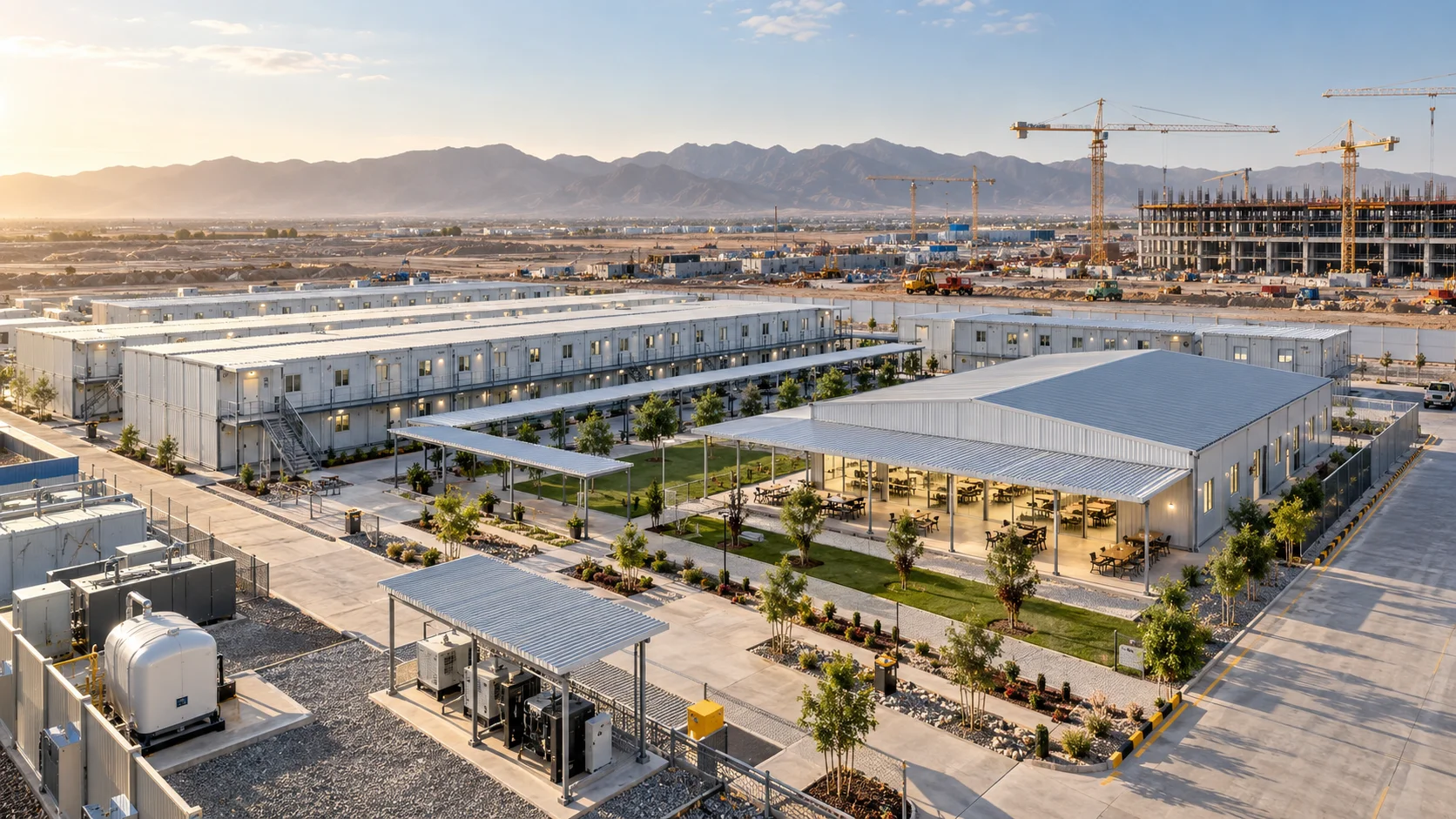
Factory-built prefabricated buildings can be used not only as homes but also for other purposes, such as offices, dining halls or dormitories. Their durable, well-insulated structure delivers energy efficiency and lowers heating and cooling costs. Some models can also be fitted with solar panels for added benefits such as generating electricity or heating water.
Insulation in Prefabricated Houses
Prefabricated houses are insulated in three main stages:
1. Wall Insulation
EPS (expanded polystyrene) is used in the walls. This material is easy to install and resistant to ignition, which improves fire safety.
2. Roof Insulation
Rock wool is used in the roof to provide thermal and acoustic insulation. It blocks outdoor heat and cold while significantly reducing outside noise such as the sound of rain.
3. Window Insulation
Double-glazed PVC windows complete the thermal, acoustic and water insulation, so prefabricated houses can be used safely in all four seasons.
Can Prefabricated Houses Be Customized?
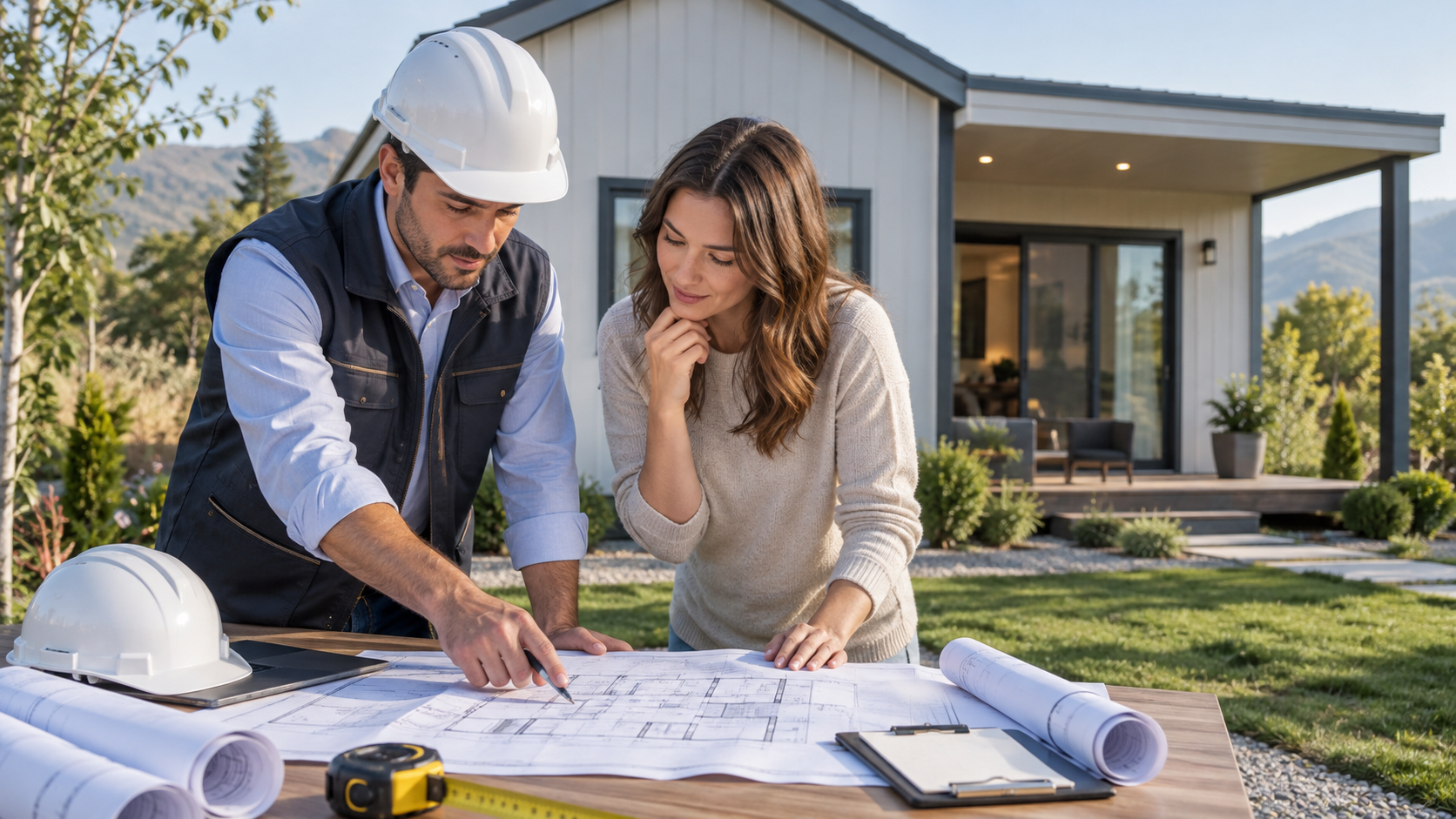
Prefabricated buildings can be customized to suit the user’s needs. You can choose the interior design, room sizes, kitchen layout, wall colors and window placement. Materials can be customized too, which makes these buildings suitable not only as homes but also as offices or for other uses. Installation is usually turnkey, so the house is ready for use as soon as installation is complete.
Frequently Asked Questions
1. How does the insulation system of a prefabricated house affect heating costs in winter and cooling costs in summer?
The three-stage insulation system used in our prefabricated buildings maximizes energy efficiency. Flame-retardant EPS (expanded polystyrene) in the walls and high-density rock wool in the roof keep outdoor temperatures from passing inside. Reinforced by double-glazed PVC windows, this barrier delivers significant savings on heating and cooling compared with conventional buildings, providing comfortable living in every season.
2. What are the durability advantages of choosing a prefabricated house in villages and rural areas?
In rural areas, prefabricated houses offer high resistance to earthquakes and natural disasters thanks to their steel-frame structure. Manufactured in a factory to defined quality standards and assembled on site on a concrete foundation by expert crews, these buildings promise a long service life even in challenging terrain. Their fast installation also removes the logistical and construction challenges of rural locations, so you can move into a safe home in the shortest possible time.