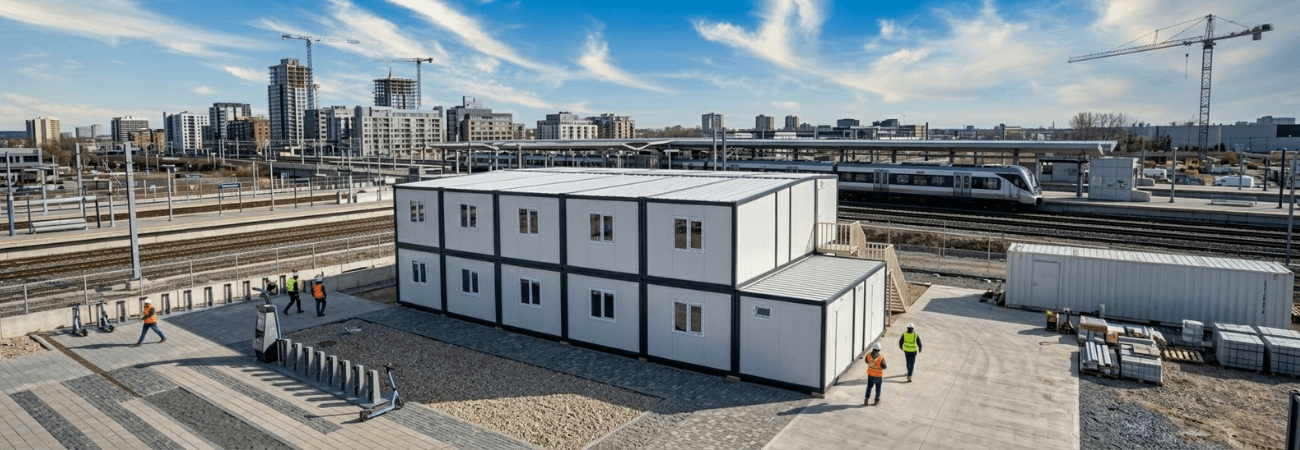
Container buildings offer practical solutions for a variety of needs, such as storage, offices and living spaces. Choosing the right container requires planning suited to the intended use and a careful evaluation of the technical details. Thanks especially to their cost advantage and quick installation, container systems are among the most popular building solutions today.
Determine Your Intended Use
Because containers can be combined, they can be used to create many different types of buildings. The first step is to determine why you need the structure. You can use it as a storage area, an office or a living space. Standard units may be sufficient for storage. For a workspace or a living space, however, modifications such as insulation and ventilation may be needed.
Size Matters
These structures can be manufactured in a variety of sizes, and they also come in standard sizes. Consider the space you will need for your intended use, and measure the available area on your site to avoid any logistical problems during installation. In addition, the dimensions of the structure must be adjusted to stay within the scope of the legal permits you have obtained. You may need to discuss this with your manufacturer.
Material Quality
These structures are manufactured using the highest-quality materials. After all, the material of a structure determines its service life and functionality. However, the material must also be suited to the local climate, including high humidity levels or extreme temperatures. These structures are built with sandwich panels, a material that provides thermal, water and sound insulation.
Insulation in Containers
For container buildings, insulation is one of the key factors that directly affects how efficiently they can be used. In uninsulated structures, the indoor temperature changes rapidly with the seasons. Sandwich panel systems are generally preferred for these buildings. The insulation material between the two surfaces provides protection against heat, noise and moisture. This construction maintains a balanced indoor climate and allows more efficient use.
Sandwich panels also increase the durability of the exterior surface, contributing to a longer service life. Containers can be shipped as a single unit or in modular form. A level, solid concrete base must be prepared before installation. Costs vary depending on the materials and additional equipment selected. Standard models offer more economical solutions, while custom design details can increase the cost.
Features of Versatile Container Buildings
Portable and prefabricated buildings offer the construction industry the advantages of durability, long service life and fast installation. Thanks to their factory-made components, steel and modular models are easily assembled on site, significantly shortening installation time.
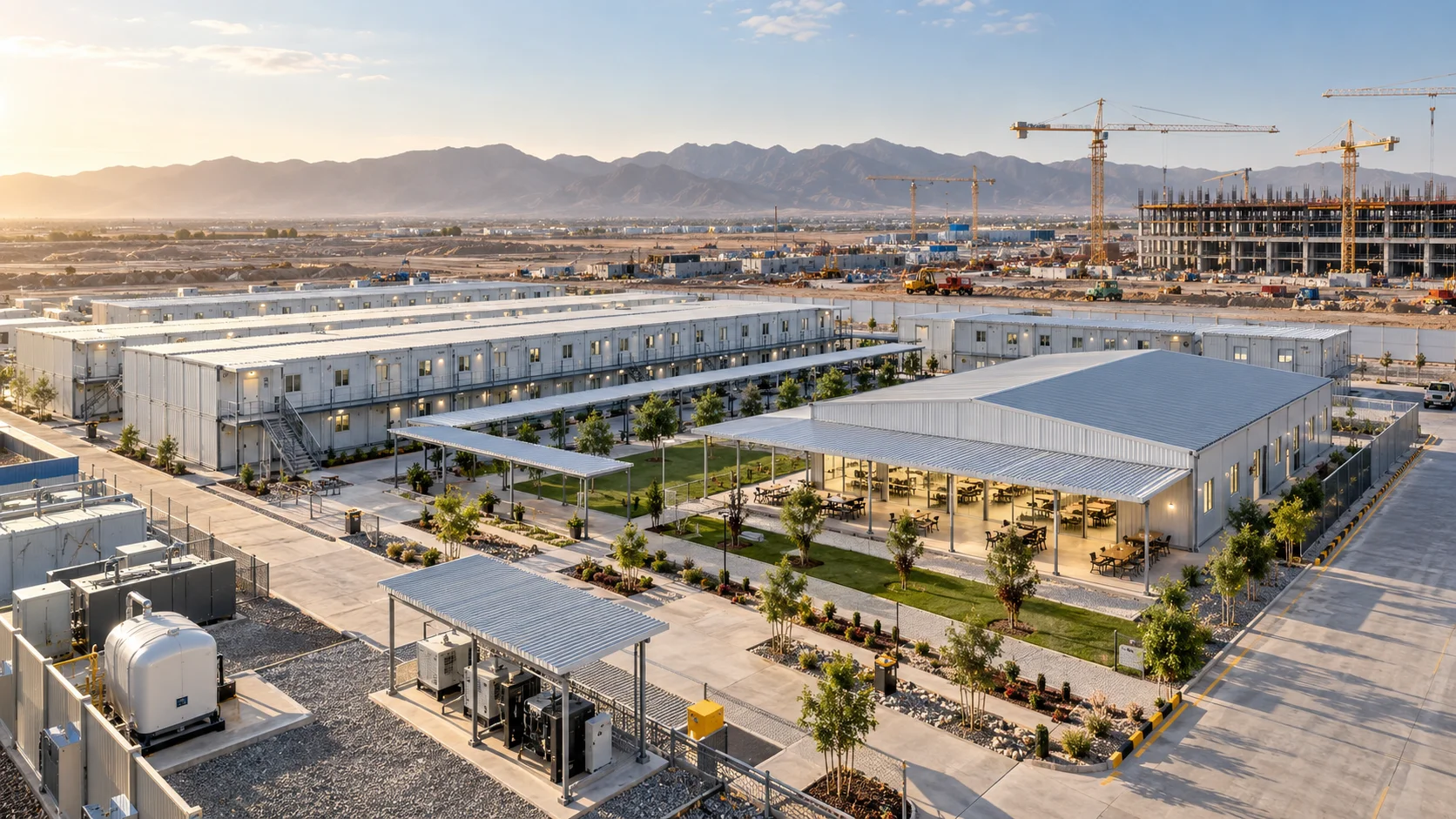
Modern containers are manufactured with high-quality materials and, thanks to their modular design, can be customized as needed. Because they can be installed even in areas with limited infrastructure, they make it easy to bring buildings to remote regions. Advances in prefabrication technology make these structures more durable, more eco-friendly and more predictable in cost. They offer functional, innovative and sustainable solutions for both temporary and permanent use.
To explore the container buildings that suit your needs, click here.
Frequently Asked Questions
1. How should the site dimensions be determined for container buildings?
Before choosing a container, you should check whether the site where it will be installed is logistically suitable. You need to account not only for the footprint of the structure but also for the space the crane and truck will need to maneuver during delivery. We also recommend confirming the dimensions with our technical team before production to make sure they comply with the square meter limits of your legal permits.
2. How does the sandwich panel system differ from other structures?
Sandwich panels are a composite material with high-density insulation infill between two metal skins. Unlike traditional sheet metal containers, this system minimizes thermal bridges and prevents moisture buildup. The sandwich panels we use at Alyans Prefabrik not only increase the durability of the structure but also provide sound insulation and waterproofing, maximizing living comfort.
3. Are container buildings suitable for extreme climates (very hot or very cold)?
Yes. Our container buildings are manufactured for use in all four seasons. The materials are selected for their resistance to high humidity levels and extreme temperatures. Thanks to sandwich panel technology and extra roof insulation options, the indoor temperature can be kept stable regardless of outdoor weather conditions, which also saves energy.