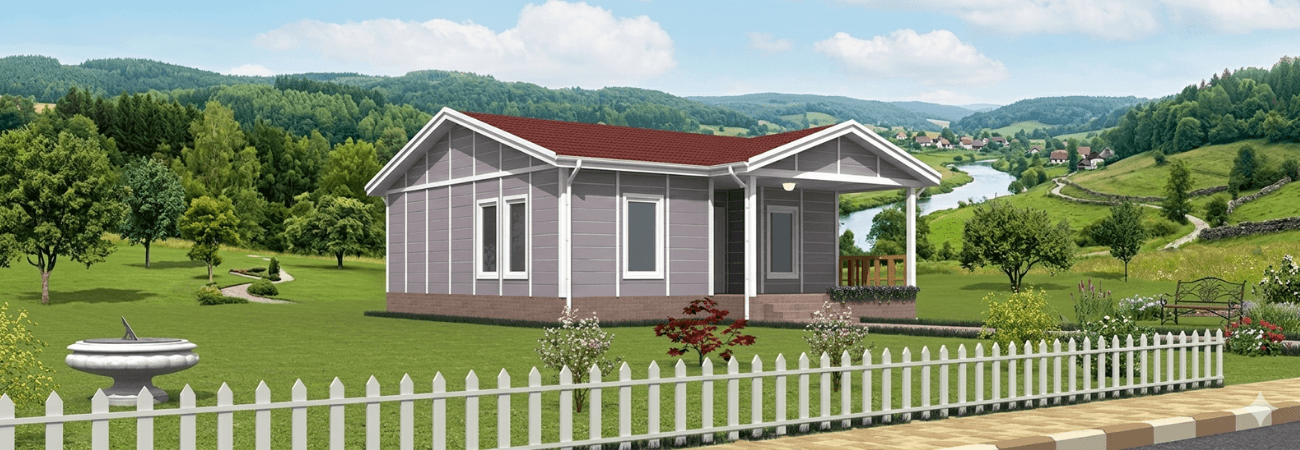
Prefabricated buildings are becoming increasingly popular in Türkiye thanks to their affordable prices, fast production processes and modern designs. However, before you buy a prefabricated house, there are a few critical points to consider to make sure it will meet your needs and expectations. Here are 5 key points that will make the process easier:
Learn the Laws and Permit Requirements
Knowing the legal requirements that apply to every building is essential. If you are considering buying a prefabricated house, check your local zoning laws and building codes. Some municipalities may impose restrictions on the building’s location, foundation and utility requirements. Knowing these rules saves time and helps you avoid potential legal problems.
Evaluate Insulation and Heating Options
Climate is a decisive factor when choosing a prefabricated house. In cold regions, the house must be adequately insulated. Materials such as double-glazed windows, insulated doors, EPS foam in the walls and rock wool in the roof should be used. Heating options may include electric systems, natural gas or a stove; plan the infrastructure requirements of each method in advance.
Check the Quality of Materials and Construction
The quality of a building’s materials is critical to its durability and longevity. Sturdy wall panels, high-quality finishes and tested sample buildings are signs that you are dealing with a reliable manufacturer. A well-built structure stands up to different climate conditions and saves you money in the long run.
Consider Design and Functionality
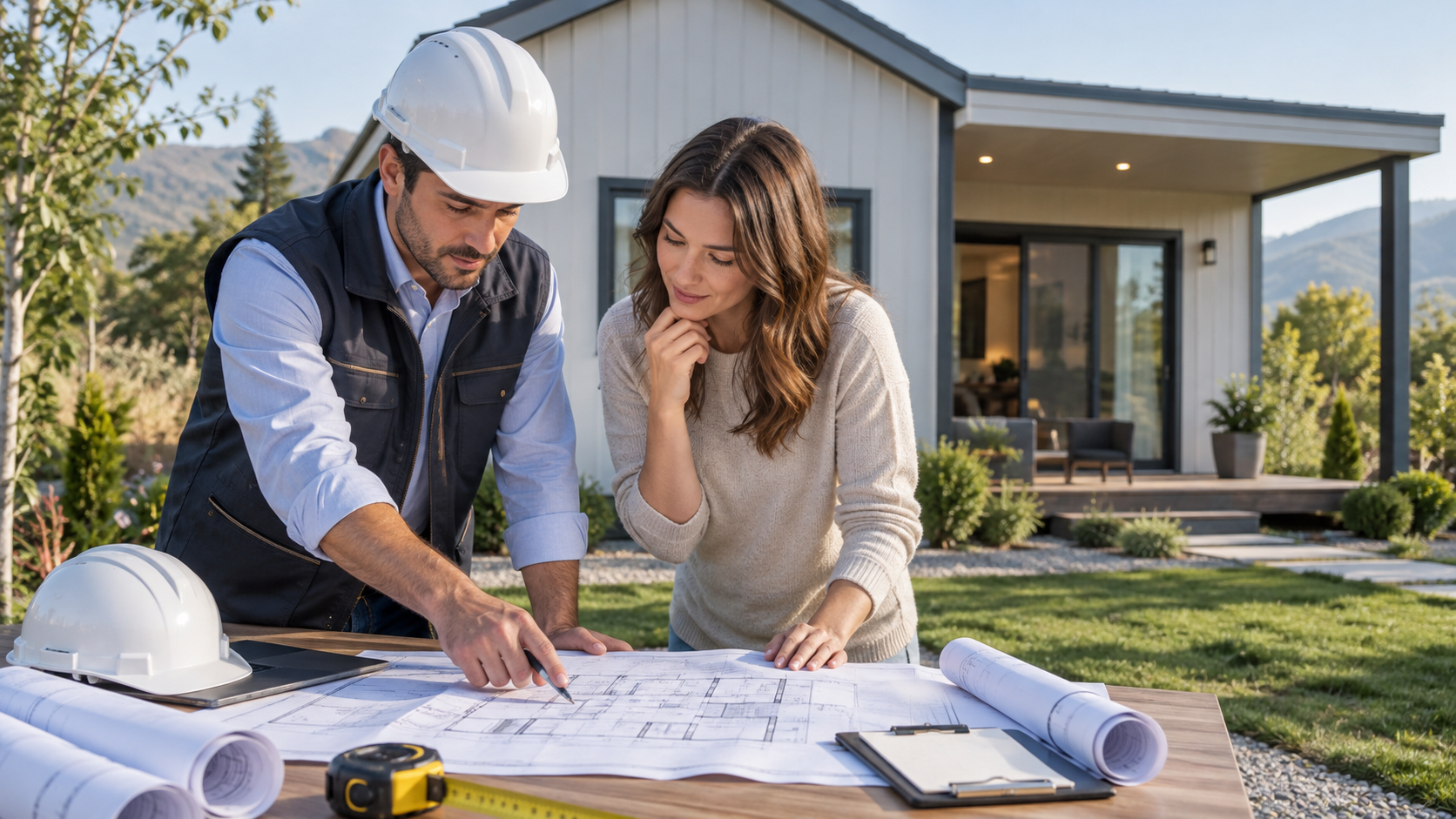
Prefabricated houses can be built in a variety of architectural and engineering designs. Tell the manufacturer about your needs, such as the number of bedrooms, an open-plan kitchen or a spacious living room. Taking factors such as storage space, natural light and room for future expansion into account ensures that the home suits your lifestyle.
Choose a Reliable Manufacturer
A reputable, experienced manufacturer makes the process hassle-free. Customer reviews, past projects and after-sales support are good indicators here. A reliable manufacturer takes the stress out of the process by guiding you through installation and customization.
Common Uses of Prefabricated Buildings
Prefabricated buildings are used not only for housing but also in commercial and community projects. Thanks to their quick installation, affordable price and durability, they are the preferred choice in a variety of areas:
- Commercial Offices: Ideal for small businesses or temporary office needs, they are quick to install and portable.
- Schools: In rural or remote areas, their expandable, insulated structure provides a comfortable learning environment.
- Health Centers and Clinics: Thanks to their modular structure, they can be quickly adapted to suit different services.
Can Prefabricated Buildings Be Used in Military Areas?
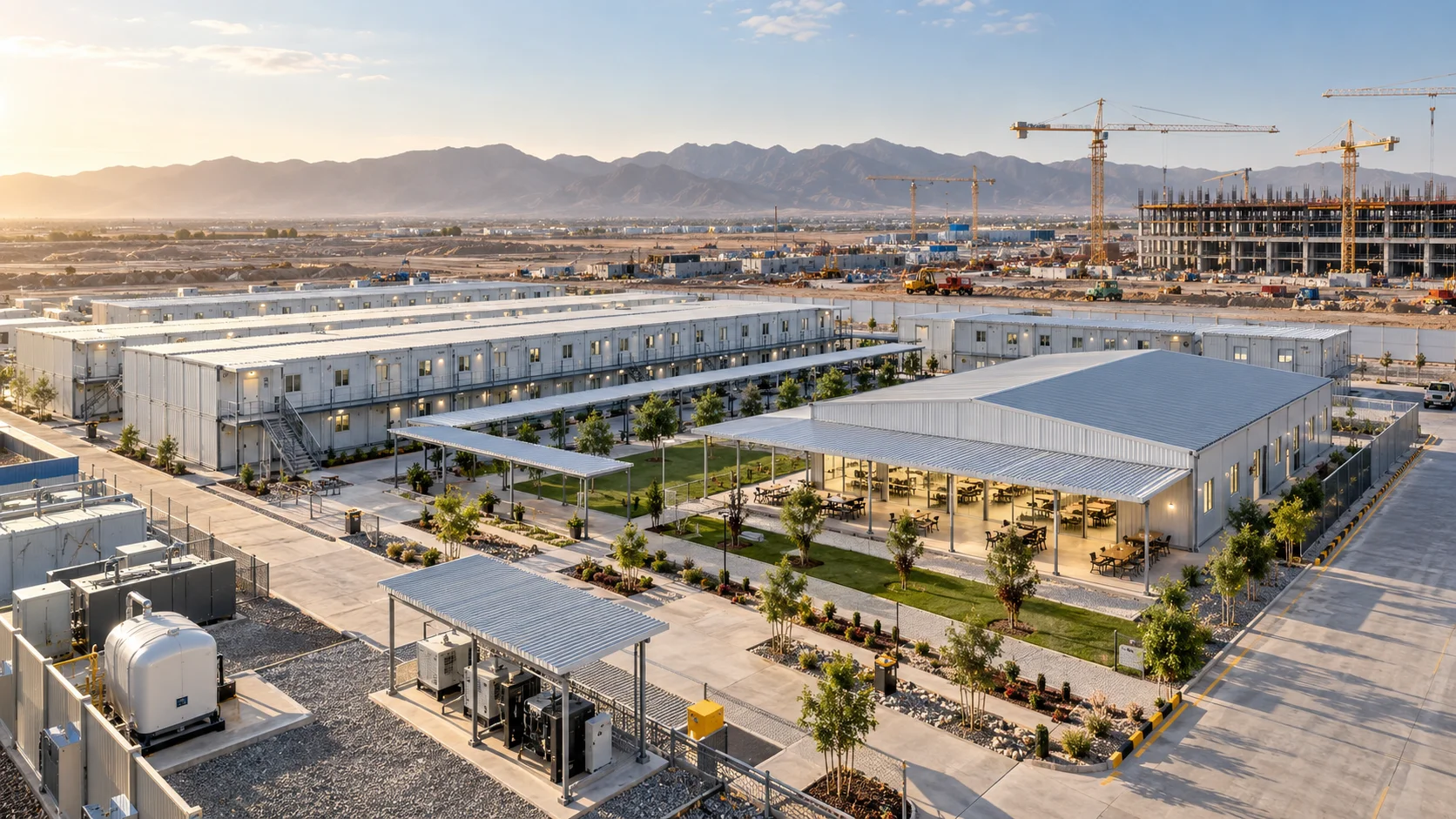
Portable buildings are also used in military areas. These buildings can be set up on rough terrain; they are erected on a level base and delivered ready to use with plumbing and electrical installations in place. Their insulated structure keeps indoor temperatures stable, ensuring soldiers’ comfort no matter how harsh the outdoor conditions are.
Frequently Asked Questions
How does the zoning and permit process work for prefabricated housing projects?
Under the Zoning Law, prefabricated buildings are classified as “permanent structures.” For this reason, you must obtain a zoning status certificate from the municipality or special provincial administration responsible for the installation site and apply for a permit with architectural, structural, electrical and plumbing plans. On-site assembly does not begin until the permit process has been completed.
How are structural calculations customized for different climate zones?
Every prefabricated building undergoes a structural analysis tailored to the geographic data of the region where it will be installed (snow load, wind speed and seismic data). For example, in regions with heavy snow loads, roof truss spacing is reduced and steel section sizes are increased to maximize the building’s mechanical strength.
What is the service life of prefabricated houses, and what maintenance do they require?
Prefabricated buildings made with high-standard galvanized steel frames and quality panel systems offer a service life of up to 50 years with proper use and periodic maintenance. Repainting the exterior at regular intervals and checking the roof sealing elements preserve the building’s structural integrity and insulation performance for many years.