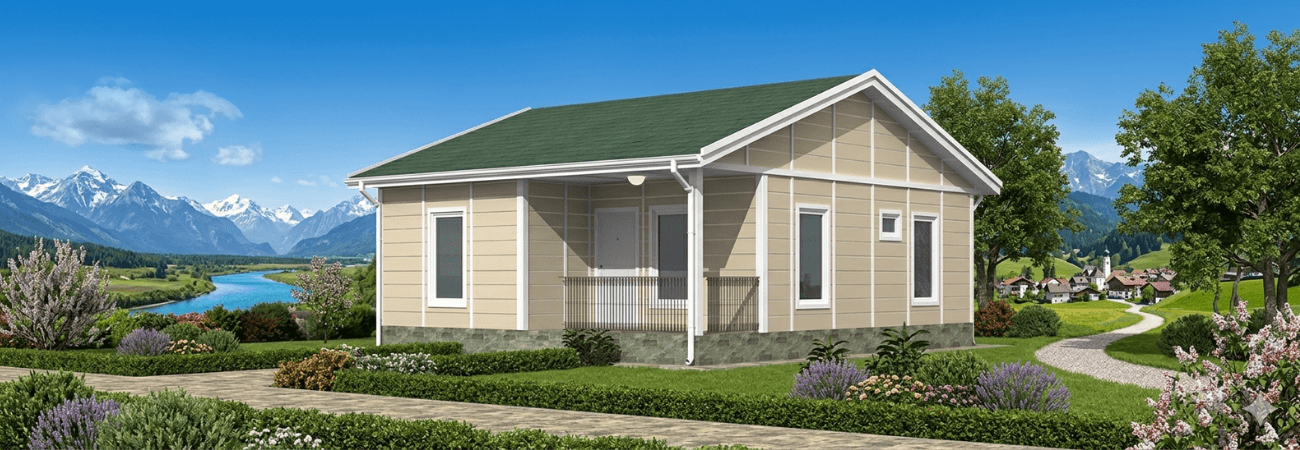
Although prefabricated houses stand out for their affordable price and quick installation, insulation quality matters most in cold regions. The houses we build use top-quality insulation materials, and with the right approach they can be made ready for harsh winter conditions.
In cold climates, heating, insulation and ventilation solutions should be the top priority in prefabricated houses. By applying different heating methods and insulation techniques, you can achieve energy efficiency and make your living space more comfortable.
Electric Heating
Electric systems are heaters that are easy to install and maintain, which makes them a practical option in areas with reliable access to electricity. These are usually air conditioners and electric heaters from various brands.
Natural Gas Heating
In areas with natural gas infrastructure, a gas heater or central heating system is a highly efficient solution. These systems provide a consistent temperature and can be integrated with thermostats for temperature control. They are used in many different homes today.
Wood or Coal Stoves
In areas where access to energy is limited or firewood is plentiful, stoves offer a traditional yet effective heating option. Because they heat a space very effectively, stoves are a good fit for cold climates.
Insulation in Prefabricated Houses
Climate conditions that vary from region to region make high-quality insulation essential in prefabricated houses. Good insulation maintains indoor temperatures and saves energy. The walls and ceilings of these houses are fitted with high-quality insulation materials, while double-glazed windows and insulated doors keep heat loss to a minimum. EPS foam is used in the walls and rock wool in the roof. EPS foam is also flame-retardant.
Proper ventilation is essential for insulation to be effective. Vented ventilation systems refresh indoor air in cold regions while reducing heat loss. Gaps around windows, doors and walls should be checked, and weather-resistant coatings should be used. Choosing energy-efficient appliances also reduces energy consumption without compromising heating performance.
Various Uses of Prefabricated Houses
Many different types of buildings are used for many different purposes across Türkiye. Portable houses are no longer used only as homes; thanks to their affordable prices, quick installation and versatility, they are preferred in a wide range of applications. In areas such as construction sites in particular, prefabricated WC and shower units are used extensively. The most common and innovative use, however, is housing; they are widely installed and used, especially in villages and rural areas.
Homes
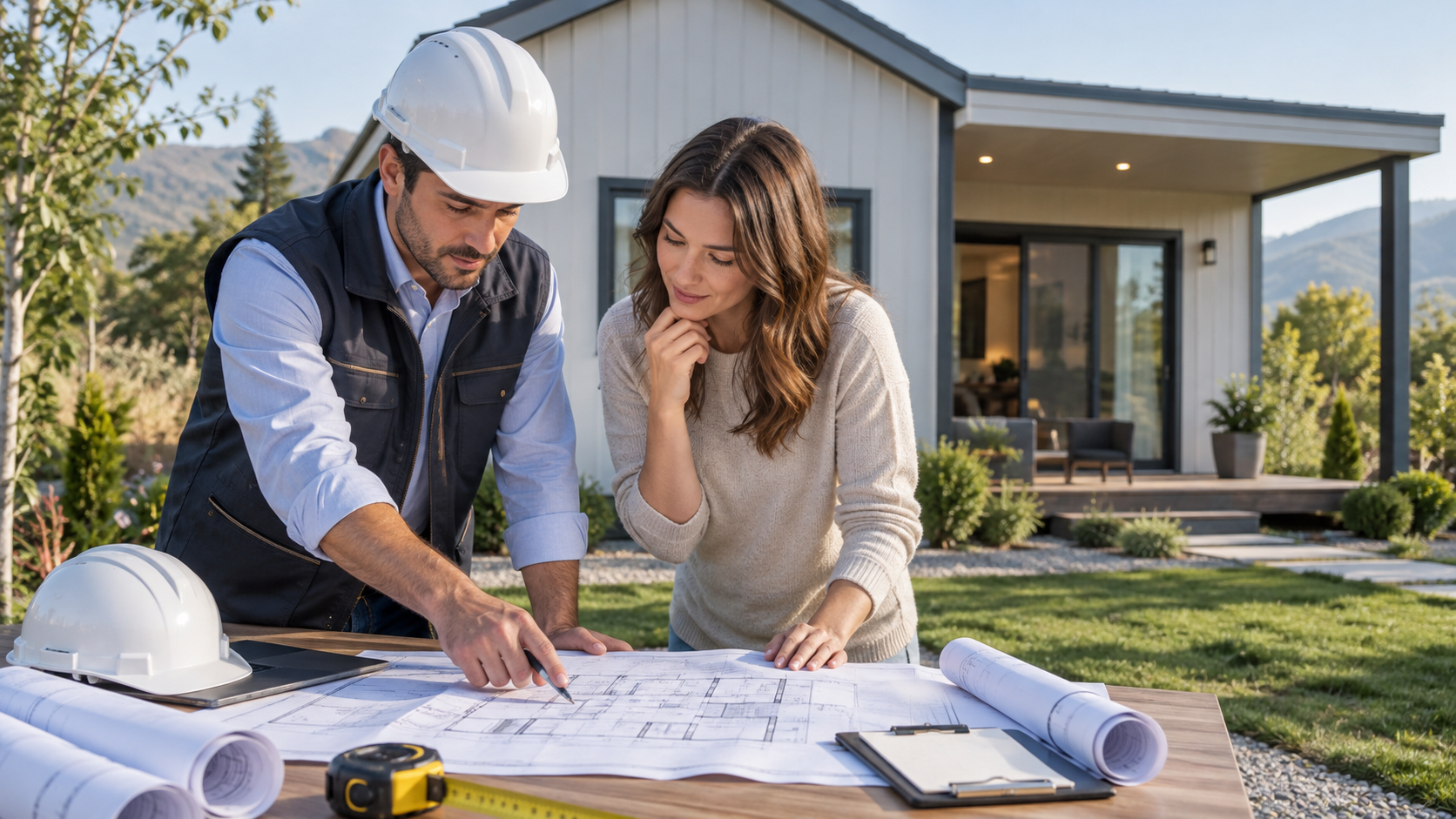
These houses are ideal for families looking for an affordable, efficient home. They can be built in a variety of designs, from compact one-room homes to spacious houses with several bedrooms. With electric, natural gas or wood stove heating options, these houses can adapt to different climates and individual needs.
Temporary Sites Such as Construction Sites
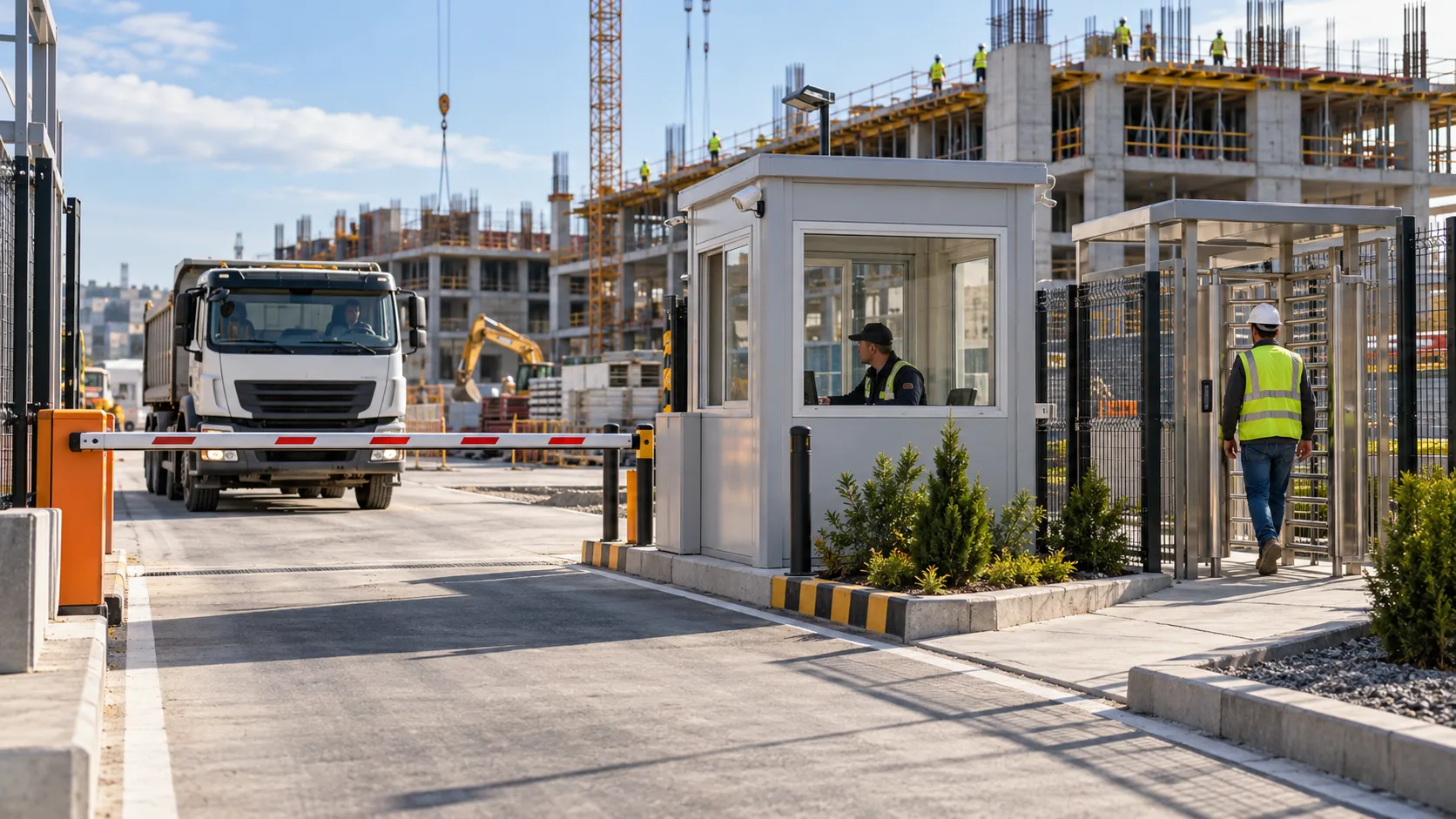
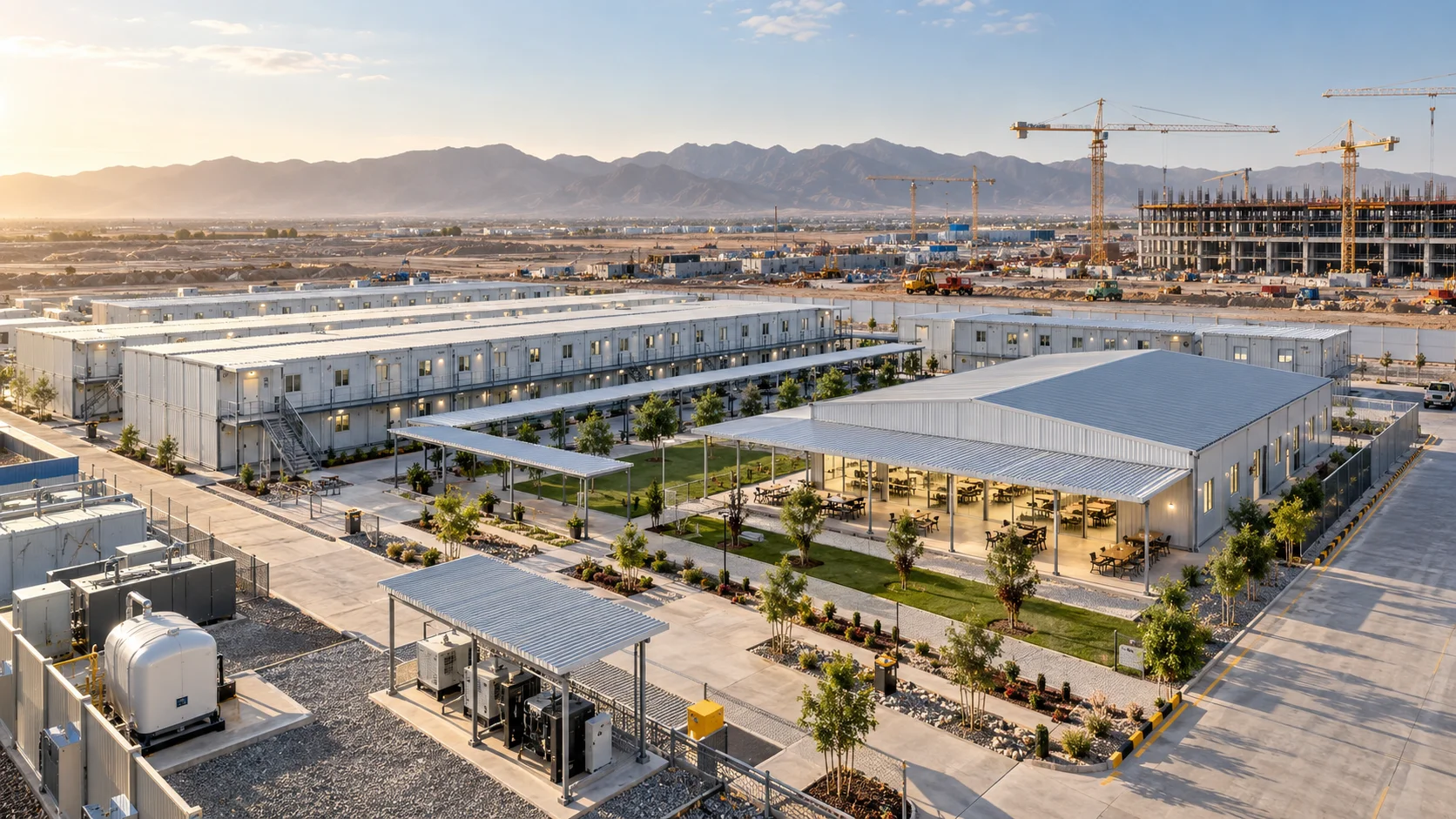
These modular buildings have become essential for instant on-site accommodation in industries such as construction and mining. Buildings of this type are used to meet workers’ needs for sleeping, eating and restrooms, keeping them comfortable in harsh environments.
Disaster Relief
In disaster areas, houses of this kind can be produced to urgently provide homes for people affected by the disaster. They are manufactured quickly and shipped to the disaster zone. Being easy to assemble and transport makes these houses highly practical and convenient for humanitarian aid organizations.
Tourism
Designed and built in small or large sizes, these houses are in high demand for remote or scenic locations. They can be installed without much construction work and offer an eco-friendly way to enjoy nature. And because they are usually fitted with energy-efficient heating systems that provide comfort all year round, they can be used in tourism through options such as vacation rentals.
To explore prefabricated houses that suit you, click here now.
Frequently Asked Questions
1. Do prefabricated houses stay warm enough in regions with harsh winters?
Yes. Thanks to the high-quality insulation materials used, prefabricated houses offer excellent heating performance. In Alyans Prefabrik buildings, the flame-retardant EPS foam in the walls and the rock wool in the roof trap heat inside. Thanks to this structural shield, you can heat the house much faster and more economically than a reinforced concrete building, whether with natural gas, electric heaters or a traditional wood stove.
2. Are prefabricated buildings used only as homes, or are they also suitable for commercial and social purposes?
Thanks to their modular flexibility, prefabricated systems have a very wide range of uses. In addition to housing, they are the most practical solution for functional buildings needed at construction sites, such as dormitories, dining halls and WC-shower units. With the advantages of fast production and easy shipping, they are also ideal for meeting emergency shelter needs in disaster areas or for building eco-friendly accommodation facilities in tourist regions.
3. What should be considered during installation to maximize the efficiency of thermal insulation?
The airtightness of the building components plays a critical role in getting the full performance out of insulation. During Alyans Prefabrik installations, window, door and wall joints are sealed with special weather-resistant coatings. Using vented ventilation systems indoors minimizes heat loss while maintaining air quality in cold regions. When proper ventilation and quality insulation come together, you get maximum comfort without compromising on energy consumption.