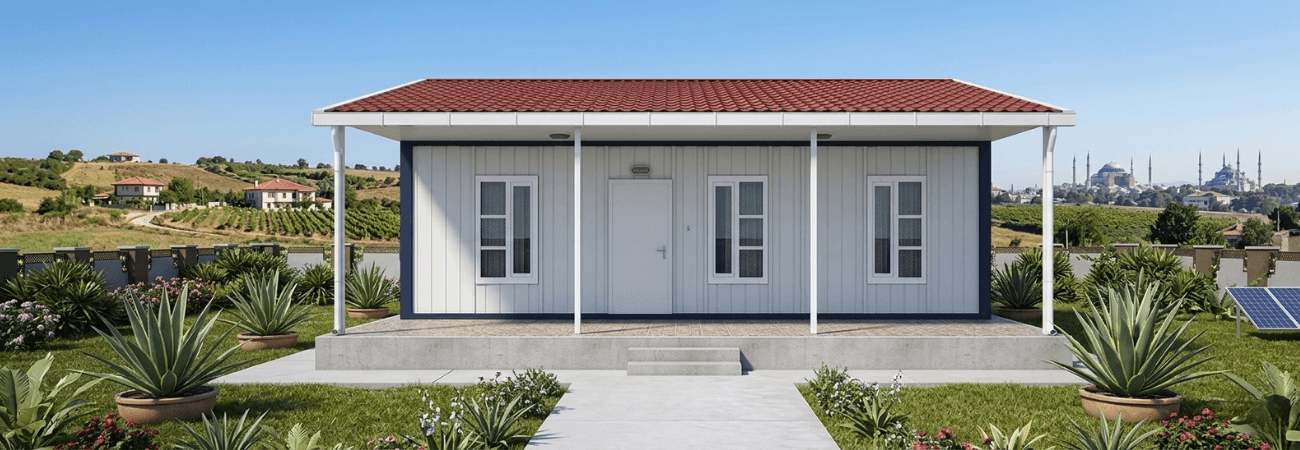
Container structures are modular building systems manufactured in a factory setting that can be adapted to a wide range of uses. Thanks to features such as affordability, fast production and durability, they have become a popular choice in recent years.
Container structures can be produced for a variety of needs, such as housing, offices, dormitories and dining halls, and standardized production processes make them ready for use in a short time.
Factory Production
Container structures are manufactured in factories according to predetermined standards. The production process ensures that every structure is built quickly, safely and durably. Factory production does not just save time; the structures also gain qualities such as insulation, durability and longevity in the process. The materials used during production make the structures suitable for year-round use.
Materials Used
The materials used in containers are selected with a focus on high quality and long service life. They include EPS foam board, rock wool, glass wool and a steel frame. These materials provide thermal, sound and water insulation while also making the structures more durable. Careful use of materials optimizes production time and increases the safety of the structures.
Workmanship and Assembly
Workmanship plays a critical role in container production and installation. The work that begins in the factory is completed with installation on your land. Every step is carried out according to established standards, so the structure is ready for use as soon as installation is complete. Quality workmanship ensures that the structure is both safe and functional.
Types of Buildings Produced with Container Technology
Container technology makes it possible to produce many types of buildings for different purposes. With a variety of size and design options, these building types meet a wide range of needs:
Standard Container
Built to fixed dimensions, these structures are generally used for storage, temporary accommodation or post-earthquake housing. Users can customize standard containers through modifications to suit their own needs.
Container House
Container houses built with container technology can be small or large. They can be produced with a simple design or with detailed aesthetic features. These houses are durable, long-lasting and insulated, and they can be used safely all year round.
Container Dormitory
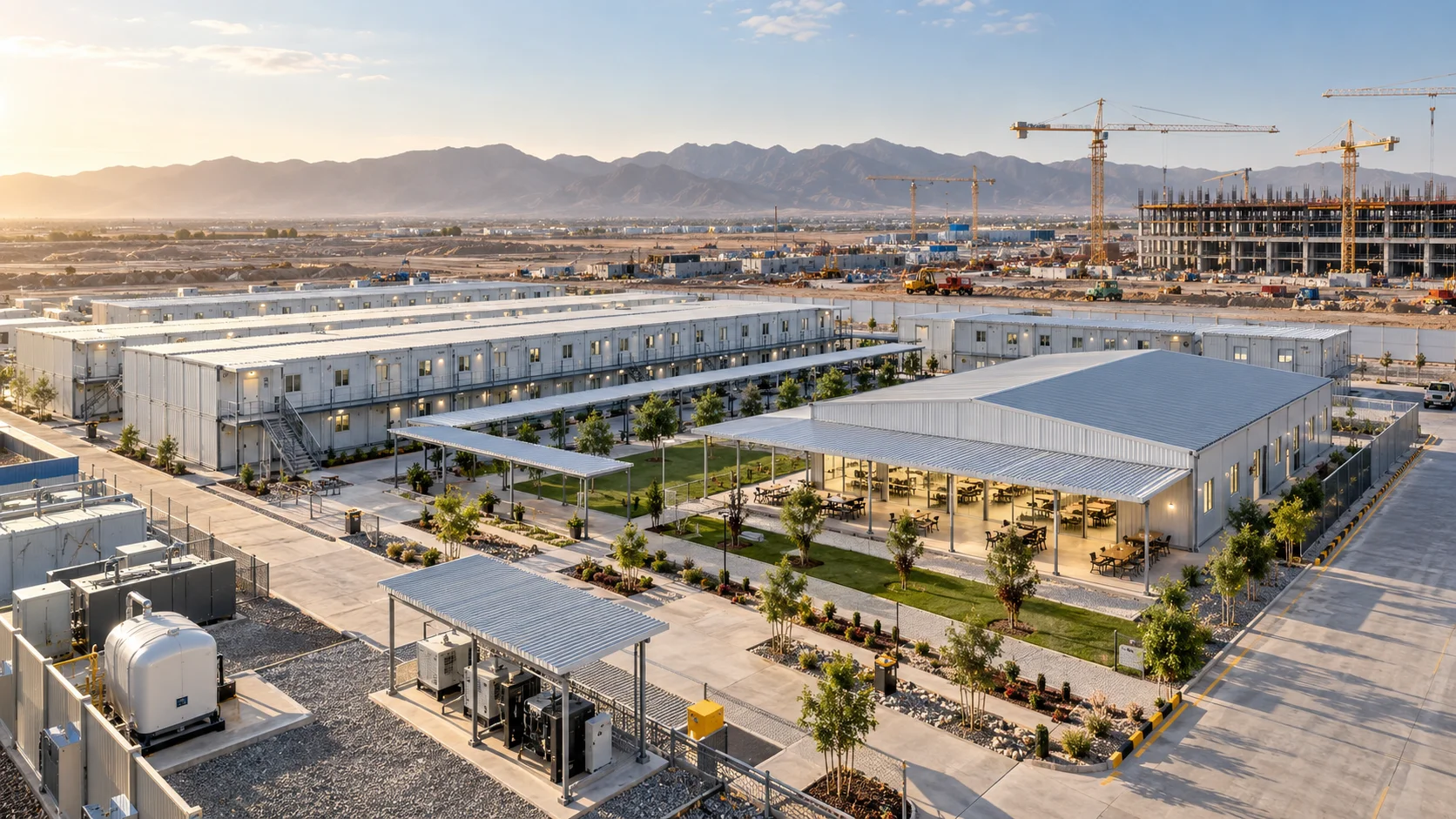
Dormitories are widely used at military sites, construction sites and mining sites. Container dormitories are well suited to these areas, where work continues without interruption and employees need accommodation. They stand out for being durable, insulated and quick to produce.
Container Dining Hall
Dining halls are frequently used in factories, construction sites and military areas. The structure can be partitioned as needed or combined with other units to create larger spaces. This way, workers’ meal needs can be met in an organized and cost-effective manner.
Container Office
Thanks to their flexible design, office containers can be installed in many different locations. Their insulated structure provides quiet, work-friendly spaces even in noisy environments. Meeting areas, workstations and break areas can be designed on request.
Container Shower and Toilet
Shower and toilet units can be produced as standalone units or combined with other structures, resulting in more functional and practical buildings. For example, they can form an integrated system with a dormitory or be used on their own in places such as beaches.
Advantages of Container Structures
Container structures offer several technical advantages in terms of production and use:
- Load-bearing system reinforced with a steel frame
- Standardized production in a factory setting
- Fast installation and assembly
- Adaptability to different uses thanks to the modular structure
- Building performance enhanced by insulation
Thanks to their production technology and modular system features, container structures are durable building solutions with planned production processes that can be used across many different sectors.
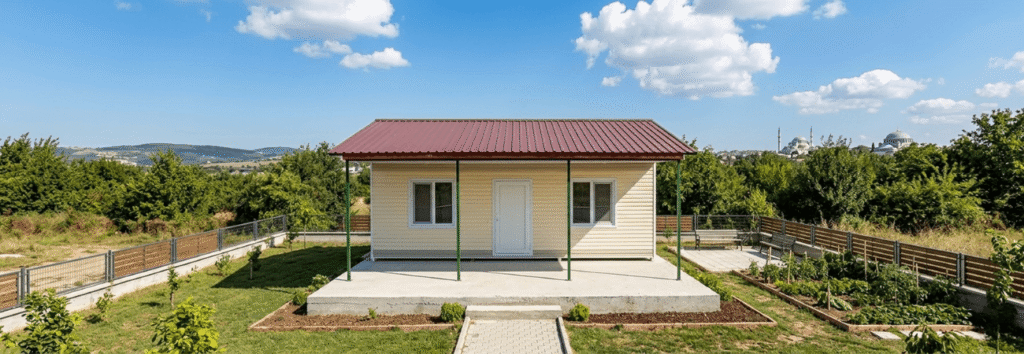
To explore the container house models that best suit you, click here.
Frequently Asked Questions
1. Are container structures suitable for year-round use?
Yes, container structures are designed to suit climate conditions in all four seasons. High-density insulation materials used during production, such as EPS foam board, rock wool or glass wool, provide superior thermal and sound insulation. This creates a space that stays cool in summer and warm in winter while maintaining energy efficiency.
2. What is the service life of a container house?
Because container structures are built with steel-frame load-bearing systems, they are highly durable and long-lasting. When built to Alyans Prefabrik standards, with corrosion-protected materials and quality exterior cladding, and maintained regularly, these structures offer a service life that rivals that of conventional buildings.
3. Do container structures require a permit?
Although container structures generally fall into the “portable structure” category under Turkish zoning law, a zoning permit and building permit from the local municipality may be required if the structure will be used permanently on a plot of land. Since the process may vary according to the regulations of the municipality responsible for the area where the structure will be installed, it is advisable to consult the relevant authorities before installation.