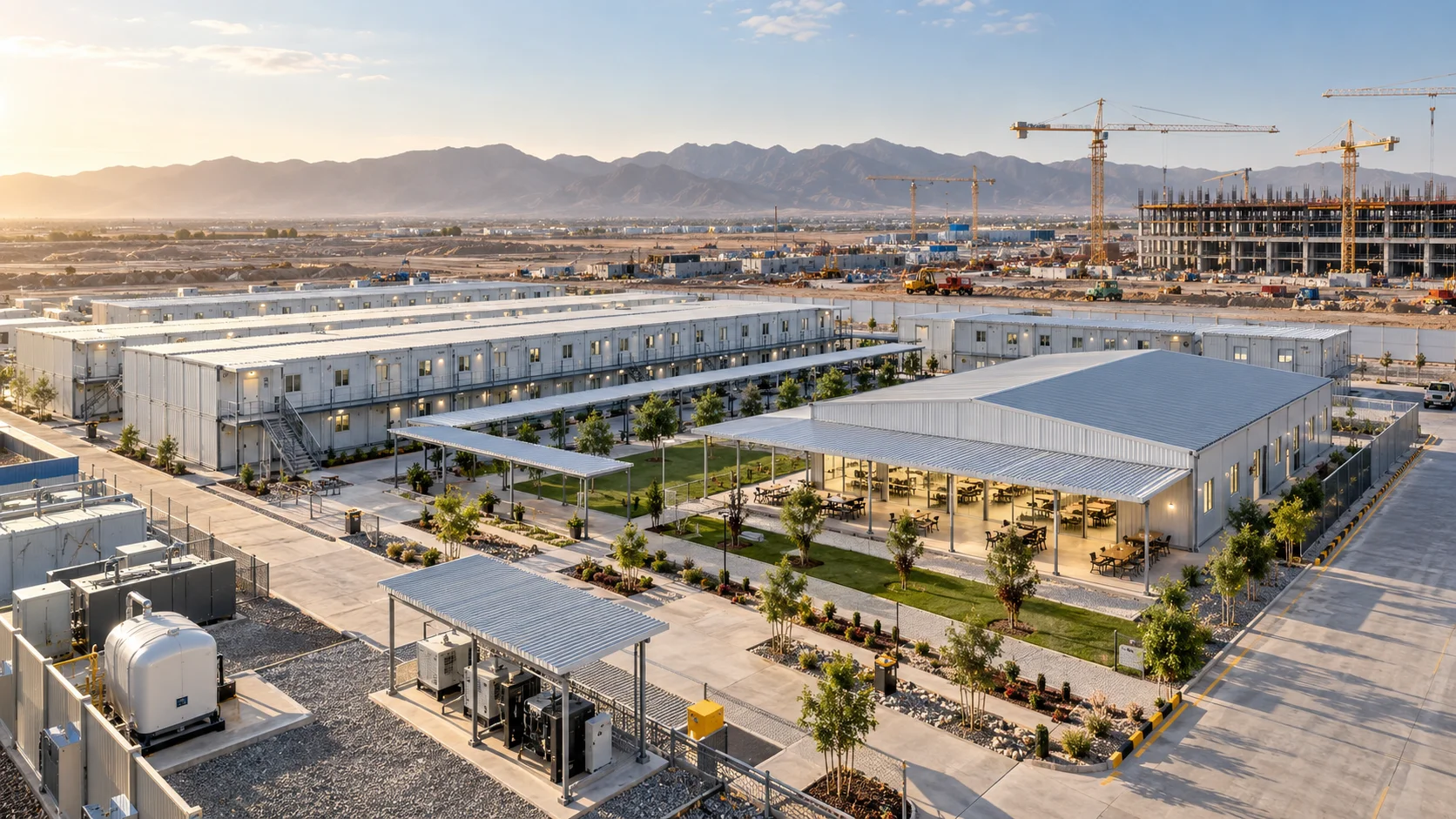
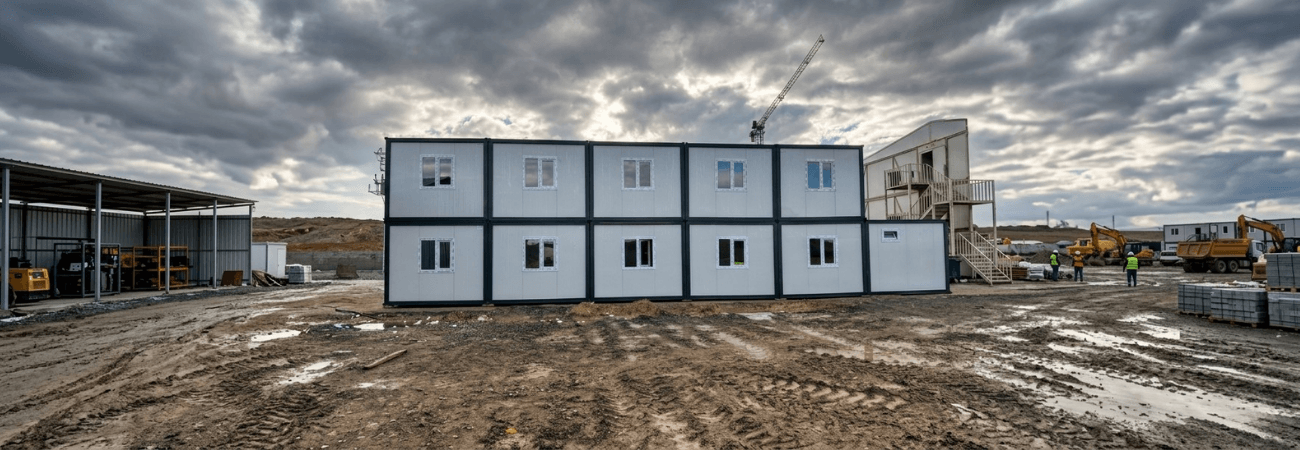
Construction sites and real estate projects can run all year round, so the personnel working on site need safe and comfortable accommodation. This is where dormitory containers come in, offering practical and fast solutions for temporary accommodation needs.
In winter, effective insulation and the right heating systems are critical to keeping these containers warm. Because Türkiye has a four-season climate, an efficient heating system should be chosen, especially in cold regions.
Heating Systems You Can Use
- Electric heaters: Easy to install and ideal for small and medium-sized dormitories. Energy consumption needs to be kept in check.
- Air conditioners: Provide both heating and cooling, so they can be used in all four seasons.
- Natural gas radiators: Where the infrastructure is available, they offer an effective, highly energy-efficient solution.
- Wood or coal stoves: An alternative method; however, the necessary precautions against carbon monoxide must be taken.
Combined with proper insulation, these systems increase energy efficiency, keep interiors comfortable and reduce operating costs in the long run. That is why, in dormitories, electric heaters are usually the preferred choice as a safe and practical solution.
Insulation in Dormitory Containers
Insulation, effective heating systems and smart interior layouts are the key elements in keeping dormitory containers warm and comfortable in winter.
Wall and Roof Insulation
A building’s walls and roof play a critical role in retaining indoor heat. High-resistance insulation materials are used, such as EPS foam in the walls and rock wool in the roof. These materials minimize heat transfer, keeping interiors warm and lowering heating costs.
Floor Insulation
Floor insulation helps maintain the indoor temperature by blocking cold drafts from below. Insulated panels or carpeting can be used for this purpose. However, since dormitory containers are usually installed on a flat concrete slab, heat loss through the floor is quite low, so additional floor insulation is not necessary in most cases.
Window and Door Sealing
Windows and doors are where most heat loss occurs. Double-glazed PVC windows are far more effective at keeping heat inside than their single-glazed counterparts. In addition, applying weatherstrip tape or sealant to window and door frames keeps out cold air coming in through small gaps and maintains the indoor temperature.
The Role of Windows and Doors in Dormitory Container Insulation
Although insulation usually brings wall and roof materials to mind, windows and doors are also very important for a building’s energy efficiency and comfort. Most dormitory container models are designed to provide both thermal and sound insulation. These features create a warm and quiet environment for people working in noisy, busy places such as construction sites.
Good air circulation helps distribute heat evenly to every corner of the building. When a single heat source is used, placing a fan next to it helps warm air reach the entire space. This method both optimizes the indoor temperature in winter and makes workers more comfortable.
Floor and Additional Insulation Solutions
The floor can be a significant source of heat loss, especially on lower floors or concrete slabs. Materials such as carpets or rugs keep feet warm while blocking cold drafts from below. Comfort foam mats and underlays are also an effective way to improve insulation.
Portable Heating Solutions
In cold climates, space heaters or small portable heaters offer an additional solution. Using electric blankets or heated pads on beds provides personal warmth without constantly heating the whole space. These portable solutions are a practical and effective option, especially at night or for temporary needs.
For container models that suit you, click here.
Frequently Asked Questions
1. Which heating system is best for fire safety in dormitory containers?
Safety is the top priority in construction site environments. That is why electric convector heaters or air conditioners, which have no open flame and do not consume oxygen, stand out as the safest options. Alyans Prefabrik units are manufactured with a wiring infrastructure that includes fire-resistant cables and suitable fuse boards to handle the high current demand of such heaters.
2. Are standard insulation materials sufficient in very cold climates?
At sites with harsh winters, such as those in eastern Türkiye, thicker panels filled with rock wool or polyurethane, which have lower thermal conductivity, can be chosen instead of standard EPS-core panels. At Alyans Prefabrik, we analyze the climate data of the region where the project will be installed and offer our customers custom options for panel thickness and core material.
3. When does floor insulation become necessary in dormitory containers?
As mentioned above, when the units are installed on a flat concrete slab, the thermal mass of the concrete provides stability. However, floor insulation becomes critical when containers are raised off the ground on steel profile legs or installed on very damp soil. In such cases, insulation blankets fitted inside the chassis or thick floor coverings used indoors completely cut off cold drafts from below and improve comfort.