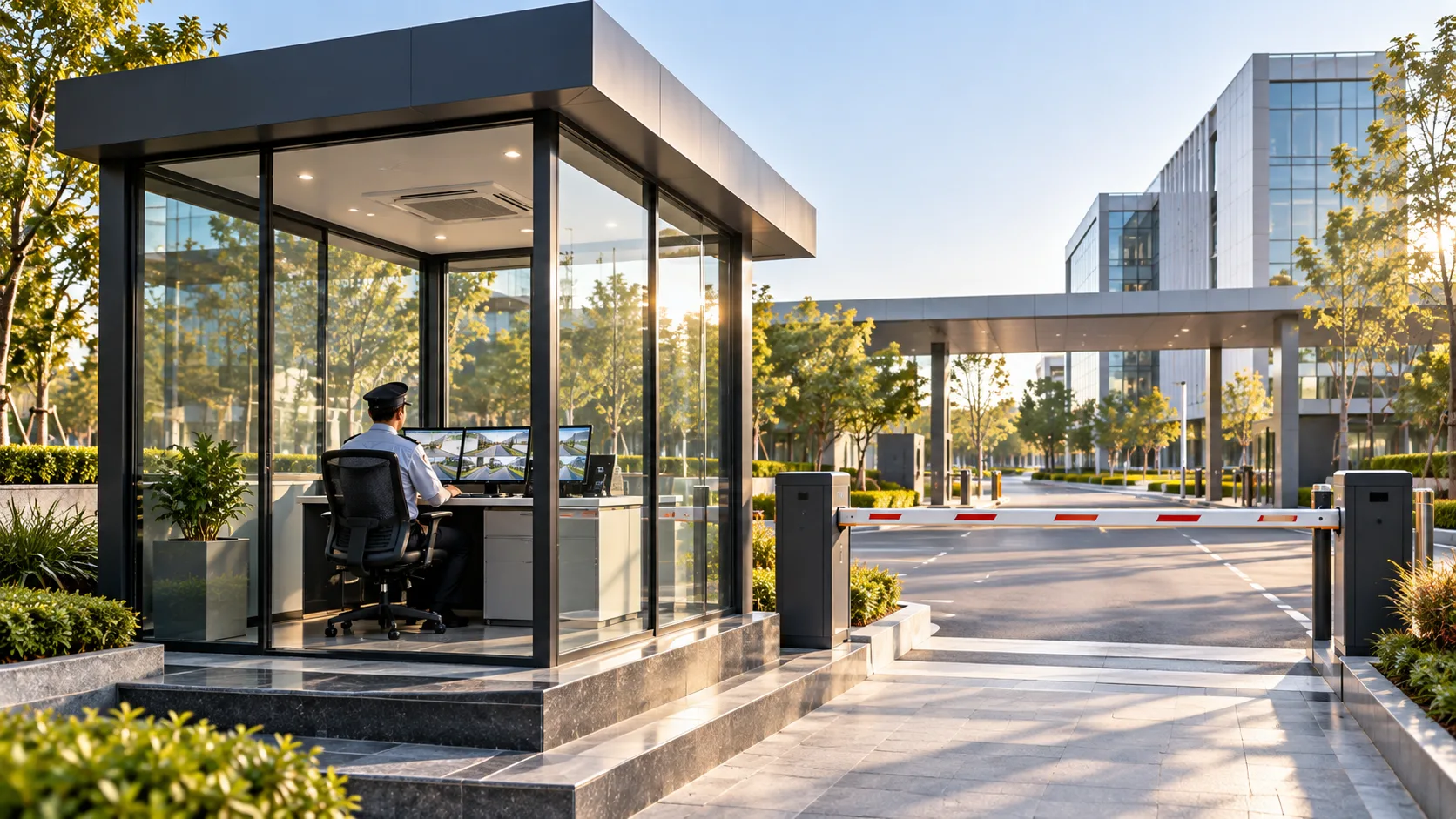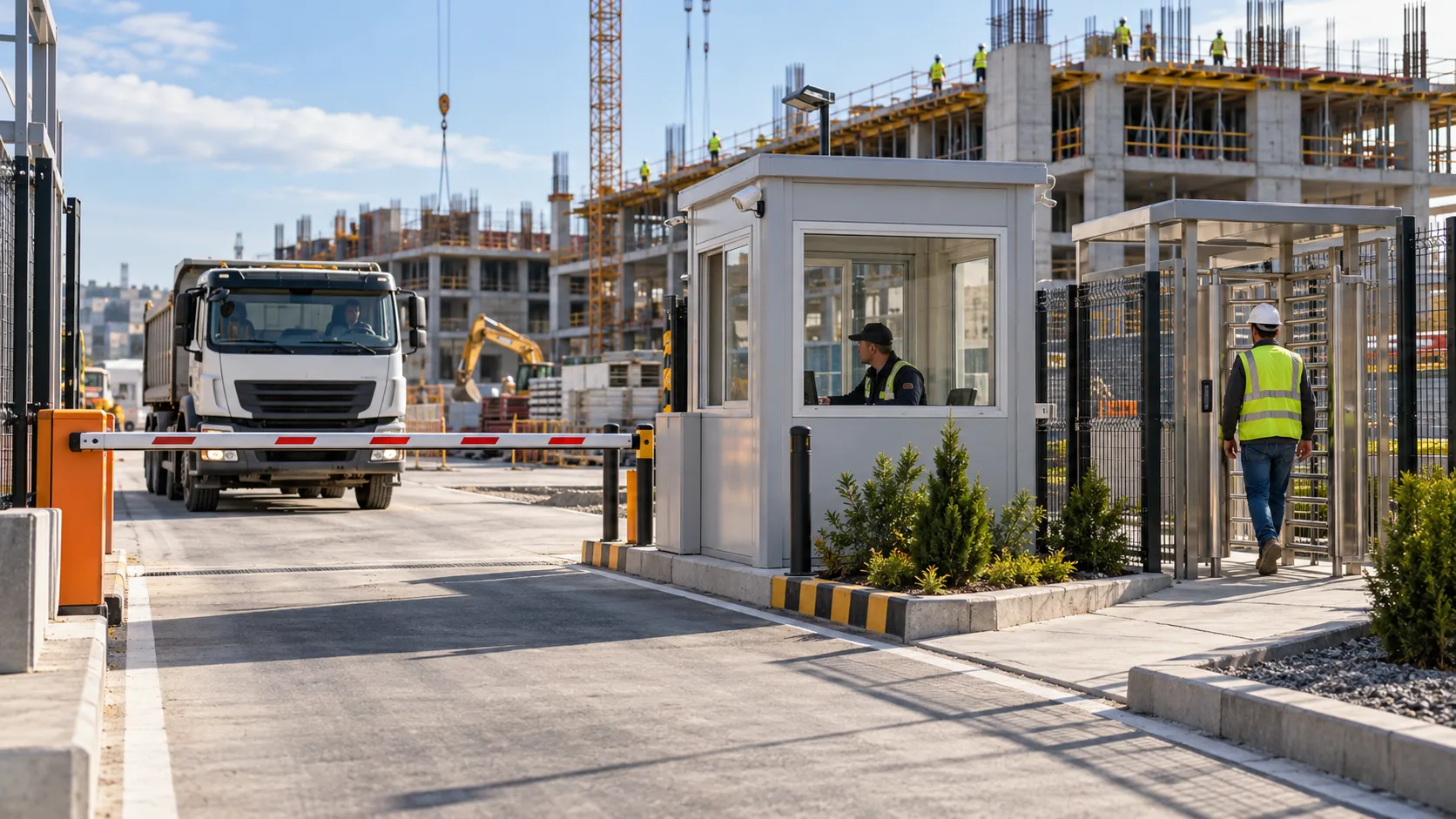
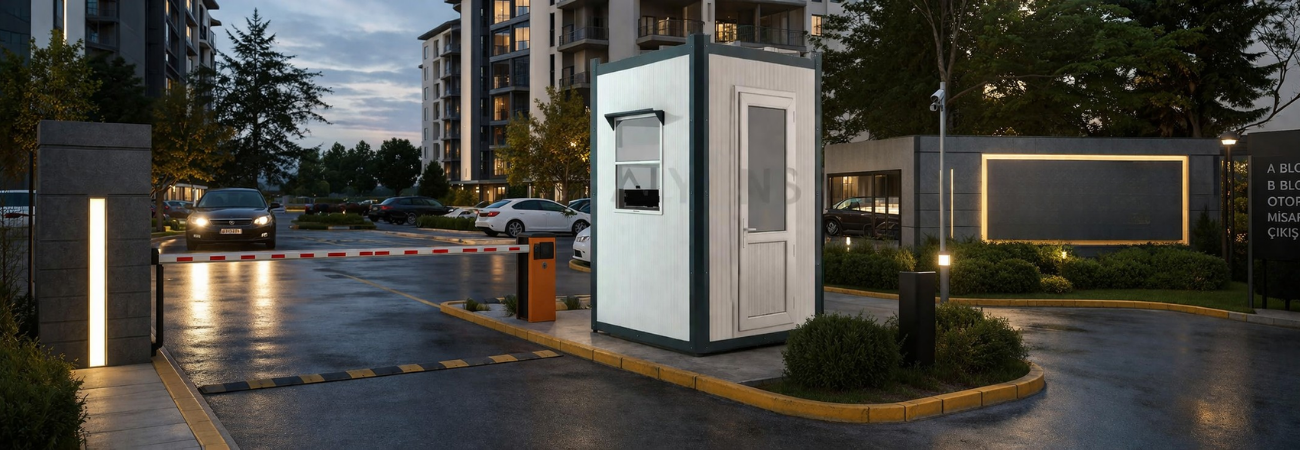
Security cabins are among the essential structures used wherever entry and exit need to be controlled. With a wide range of uses, from residential complex entrances to construction sites, these structures must offer suitable indoor conditions so that security personnel can carry out their duties without interruption.
Thanks to their compact size, heating security cabins is quite practical. However, if the right heating method and insulation system are not chosen, the result can be energy loss and inefficient use.
Heating Methods for Security Cabins
Electric heaters are the most common heating method in security cabins. When used in line with the electrical infrastructure, these systems deliver fast, effective results in small spaces.
Gas heaters, on the other hand, are rarely used in these structures because of their connection requirements and practical difficulties. To use electric systems, the cabin must have the necessary electrical wiring.
Air conditioning systems are another option. Since a single unit provides both heating and cooling, they offer the advantage of year-round use.
The Effect of Insulation on Heating
Insulation is the most important factor directly affecting heating performance. Security cabins made with sandwich panel technology maintain indoor temperatures thanks to their high insulation performance.
With this system:
Insulation is the most important factor directly affecting heating performance. Security cabins made with sandwich panel technology maintain indoor temperatures thanks to their high insulation performance.
With this system:
Insulation is the most important factor directly affecting heating performance. Security cabins made with sandwich panel technology maintain indoor temperatures thanks to their high insulation performance.
With this system:
- Heat loss is kept to a minimum
- The interior warms up faster
- Energy consumption is reduced
Insulated door and window systems also support this performance. With proper insulation, the environment inside the cabin becomes more stable.
Insulation Technology in Security Cabins
The sandwich panel system consists of insulation material placed between two outer skins. This structure provides both durability and high thermal insulation.
The panels are usually made with steel or aluminum skins and contain insulation materials such as polystyrene or mineral wool at their core. This combination reduces heat transfer and helps protect the indoor environment. The system also:
- Provides sound insulation
- Offers resistance to outdoor weather conditions
- Increases resistance to fire and environmental factors
To see our security cabin models, click here.
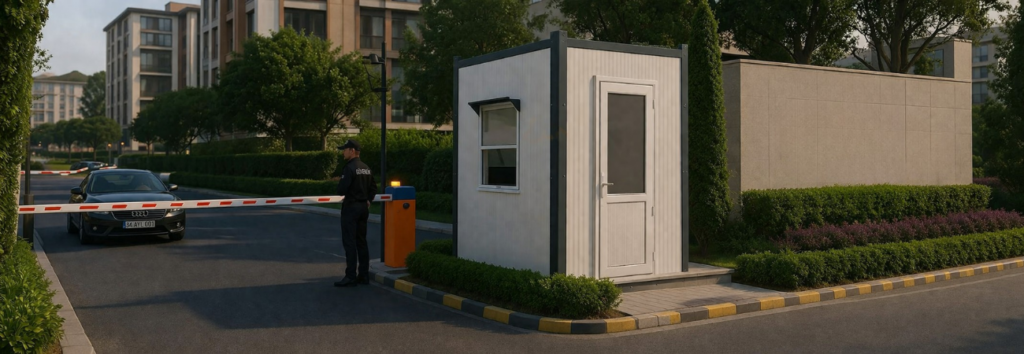
Quick Installation and Ease of Use
Security cabins made with the sandwich panel system are also known as panel cabin models and stand out for their practical installation. Thanks to modules prepared in the factory, they can be installed on site in a short time, which reduces labor costs.
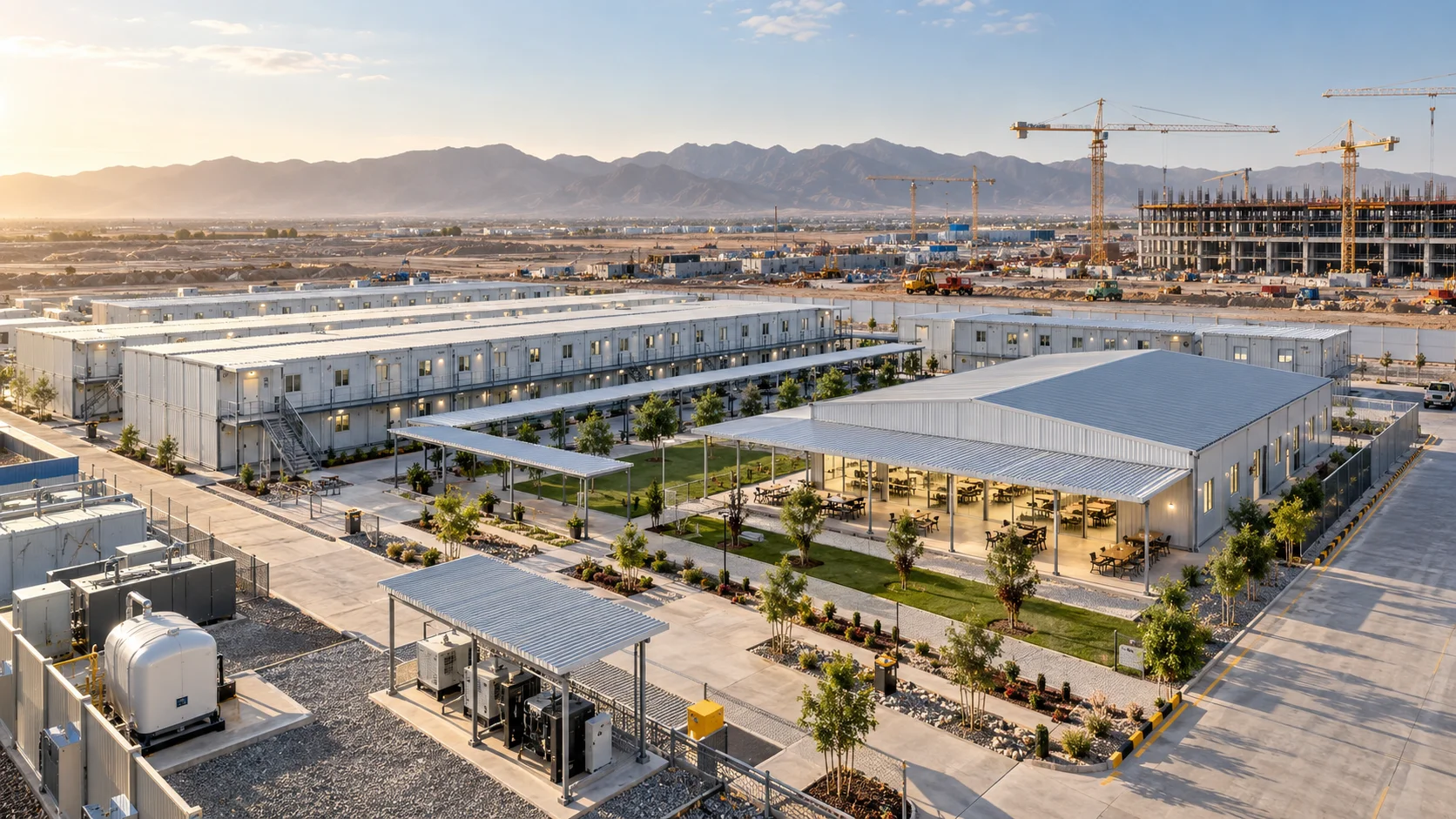
Their lightweight, modular structure makes them easy to move to different locations. This is a significant advantage, especially at construction sites and in temporary-use areas.
They can also be customized to suit the project with a choice of sizes, colors and cladding options, resulting in solutions that are both functional and visually appealing.
Frequently Asked Questions
1. How can a security cabin be heated more effectively?
With the right insulation system and a suitable electric heater, the temperature inside the cabin can be maintained efficiently. In addition, the high-density panel materials used in the floor and ceiling sections minimize heat loss, so you get maximum savings on the energy the heater uses.
2. Is air conditioning a suitable option?
Yes. Since air conditioning systems provide both heating and cooling, they can be used in all four seasons. And because modular cabins have a compact interior, even units with low BTU ratings can quickly create the desired conditions, providing an ideal working environment for personnel.
3. Does insulation really make a difference?
Yes. Since air conditioning systems provide both heating and cooling, they can be used in all four seasons. And because modular cabins have a compact interior, even units with low BTU ratings can quickly create the desired conditions, providing an ideal working environment for personnel. Contact us now to get a quote.