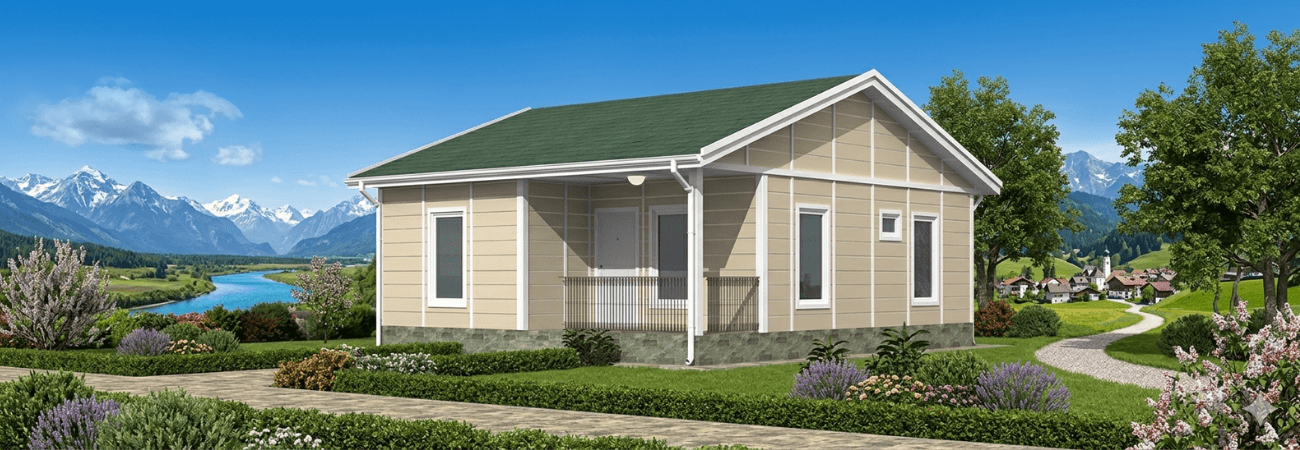
Today, as the need for housing grows rapidly, prefabricated houses have become one of the most popular solutions thanks to their affordable cost and portability. However, knowing the legal requirements before putting up a prefabricated building on a piece of land will spare you problems down the road.
Building Plot vs. Land for a Prefabricated House
In Türkiye, it is illegal to build without a building permit, regardless of the type of structure (prefabricated, steel or reinforced concrete). This is where the status of the property becomes the deciding factor:
- Land (arazi): Areas reserved solely for agricultural activities; construction is not permitted on them.
- Building plot (arsa): Areas open to development within the municipal zoning plan. Prefabricated buildings can be installed on these plots, provided the necessary permits are obtained from the local municipality.
Important: Before planning a prefabricated house, always check the status of your property by its block and parcel numbers through the systems of the General Directorate of Land Registry and Cadastre.
Risks of Building a House Without a Building Permit
Building without permission in areas that have no zoning plan can have serious legal and financial consequences:
- Demolition Orders and Fines: When municipalities detect unpermitted buildings, they can issue demolition orders and impose heavy fines.
- Detection via Aerial Photos: Today, municipalities can easily identify new and illegal buildings by comparing aerial photographs from previous years.
- Infrastructure Problems: Houses built on unzoned land cannot be officially connected to electricity, water and sewer services.
- Legal Proceedings: Unpermitted buildings can put the property owner in a difficult legal position.
How to Choose the Right Plot for a Prefabricated House
If you are thinking of owning a prefabricated house, keep the following criteria in mind when choosing a plot:
Cadastral Road Requirement
To obtain zoning permission, your plot is legally required to have frontage on a road (a cadastral road). It is very difficult to get building permission for parcels without road access.
Temporary and Modular Solutions
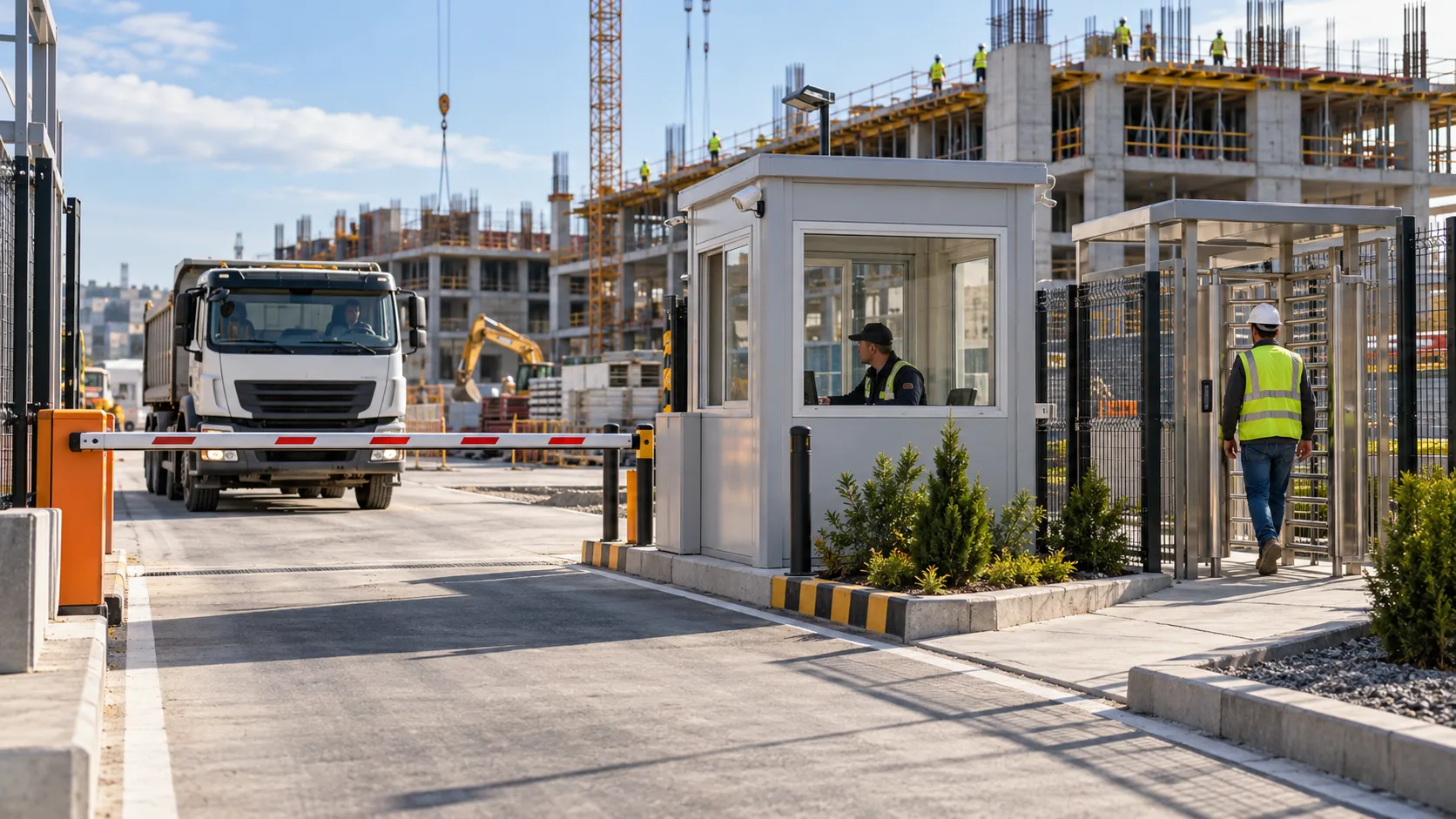
For construction projects or temporary needs, site containers or portable prefabricated buildings are a good choice. Thanks to their modular features, these structures can easily be moved to another location in the event of a legal dispute.
Zoning Amnesty and Legalization
Although governments occasionally announce programs such as zoning amnesties, these are unlikely and should not be treated as a primary strategy. The safest approach is to obtain the legal permits right from the start. If you already have an unpermitted building, legalizing your property by obtaining a building registration certificate at the first opportunity is critical to your long-term security.
Frequently Asked Questions
1. Do I need a permit even if my prefabricated house is on wheels (a tiny house)?
If your structure has the status of a “road vehicle” with a license plate and registration (like a tiny house on wheels), it can be parked without zoning permission. However, if the structure is fixed to the ground or is a prefabricated model without wheels, a building permit is mandatory.
2. Can a prefabricated country cottage be built on land classified as farmland?
On agricultural land of a certain size (usually 5 decares or more), permission may be granted to build agricultural living quarters on part of the land. However, since this varies according to the regulations of each region’s municipality and agriculture directorate, you should always obtain preliminary approval.
3. How long does the permit process take for a prefabricated house?
The permit process, which includes preparing the architectural plans, a soil survey and municipal approvals, varies by region but is usually completed in 1 to 3 months on average. Being prefabricated does not exempt a building from the permit requirement, but it significantly shortens construction time.