The question what is a container office is one of the topics most researched by businesses that want to set up a fast, practical workspace. A container office is a modular building solution that can be installed quickly, is portable and can be designed to suit different working needs. It is especially popular for creating practical workspaces on construction sites, for temporary projects, at businesses and in field operations.
At Alyans Prefabrik, we design durable, functional structures to meet the needs of different industries. In this article, we take a detailed look at what a container office is, what its advantages are, where it is used and what to consider when choosing one.
What Is a Container Office?
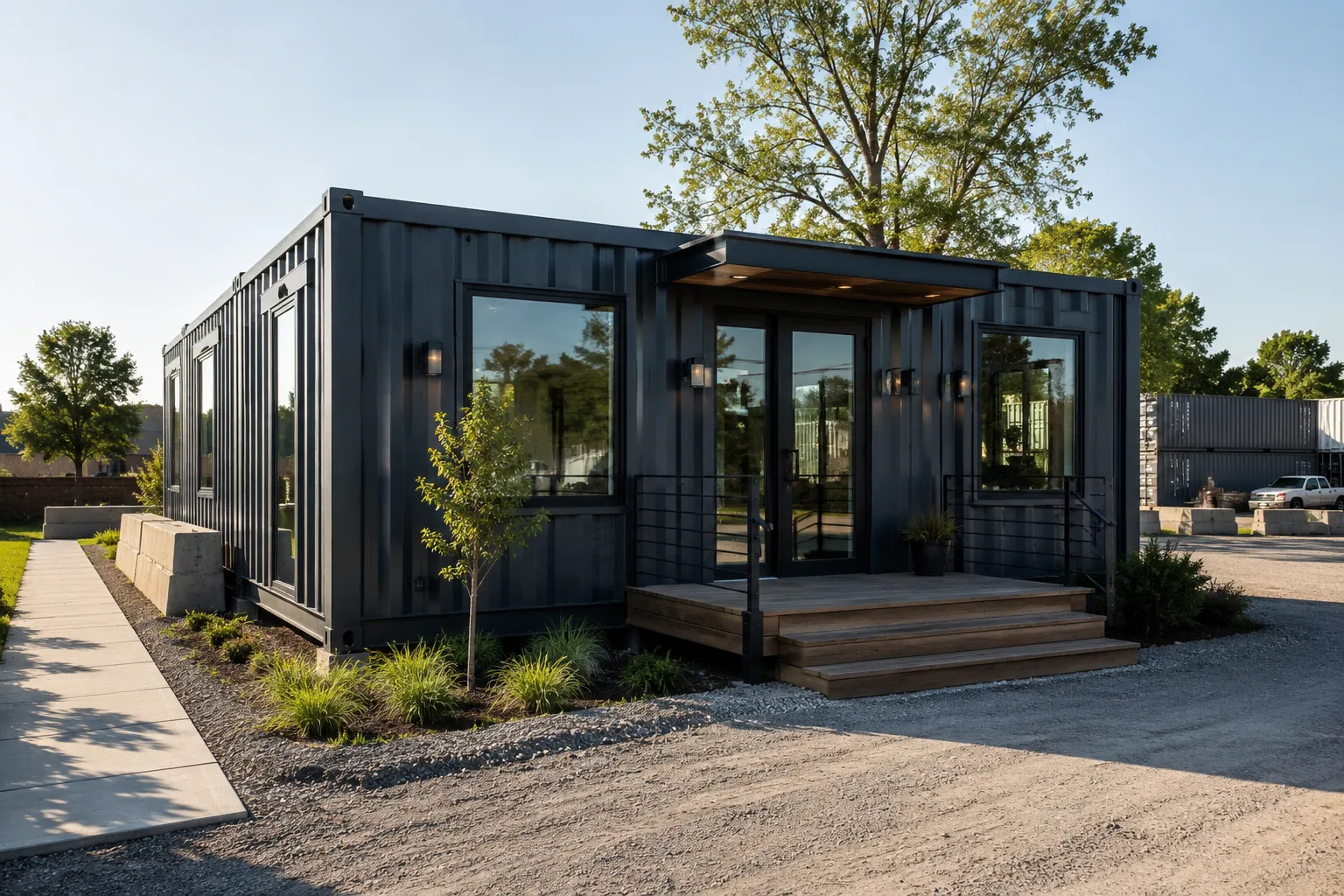
The most basic answer to the question what is a container office is this: a ready-to-use workspace created by assembling factory-made modular building components on the project site.
These structures can be made ready for use in less time than conventional buildings.
Especially popular for projects that require a fast solution, container office systems stand out for the following features:
- Fast production process,
- Easy installation,
- The advantage of portability,
- Modular use,
- Customization options for different needs.
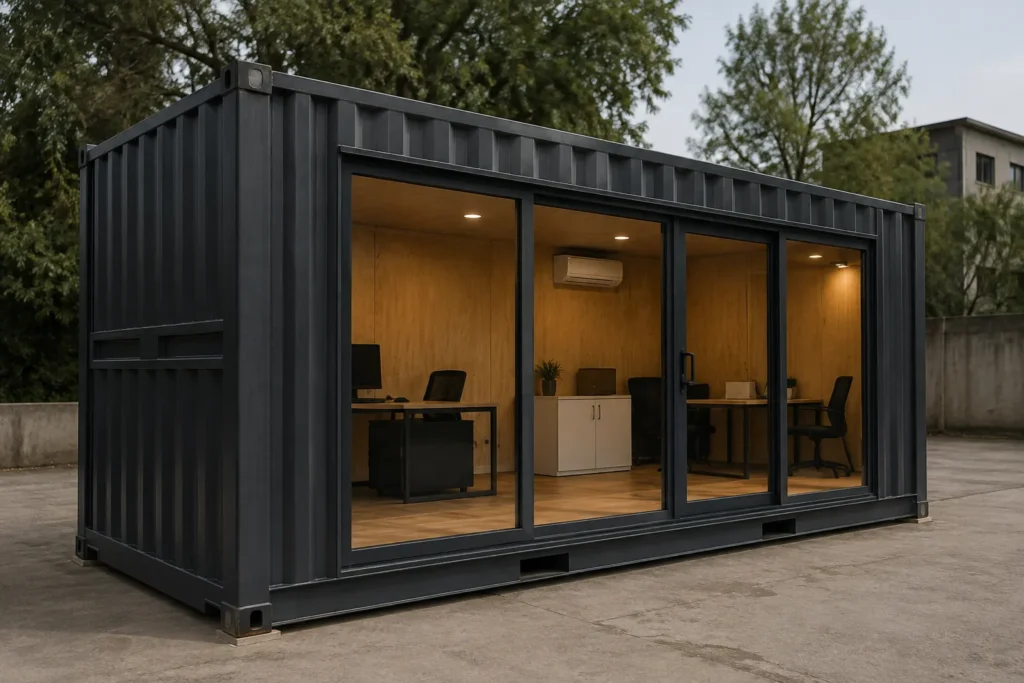
What Are the Features of Container Offices?
When you look closely at what a container office is, you will see that these structures are built around quick installation, modular use and designs that can be adapted to different needs. Their main features are:
| Feature | Description |
|---|---|
| Modular Design | Different size and layout options can be created as needed. |
| Quick Installation | Thanks to factory production, on-site assembly can be completed in less time. |
| Portability | When needed, it can be moved to different locations and reused. |
| Insulation Solutions | Heat and sound insulation options make it possible to create comfortable workspaces. |
| Cost-Effective Use | It can offer practical, cost-effective solutions compared to conventional building methods. |
Designed to meet the needs of the modern workplace, container office solutions can be built with different features depending on their intended use.
What Are the Advantages of a Container Office?
Besides what a container office is, the other key thing people want to know about is the advantages these structures offer.
Quick Installation
While conventional building methods involve lengthy construction processes, production and assembly progress in a more controlled way with container systems.
Being able to use the space quickly is a major advantage, especially on projects where time is critical.
Flexible Space
Thanks to its modular structure, it can be arranged to suit different needs. For example, you can create:
- Executive offices,
- Meeting areas,
- Staff workspaces,
- Technical offices.
Portable Workspace
When projects are temporary, portability is an important advantage. It makes things easier when you move to a new construction site or need a workspace at a different location.
Where Are Container Offices Used?
A container office is used to create fast, practical workspaces across a wide range of industries.
| Area of Use | Description |
|---|---|
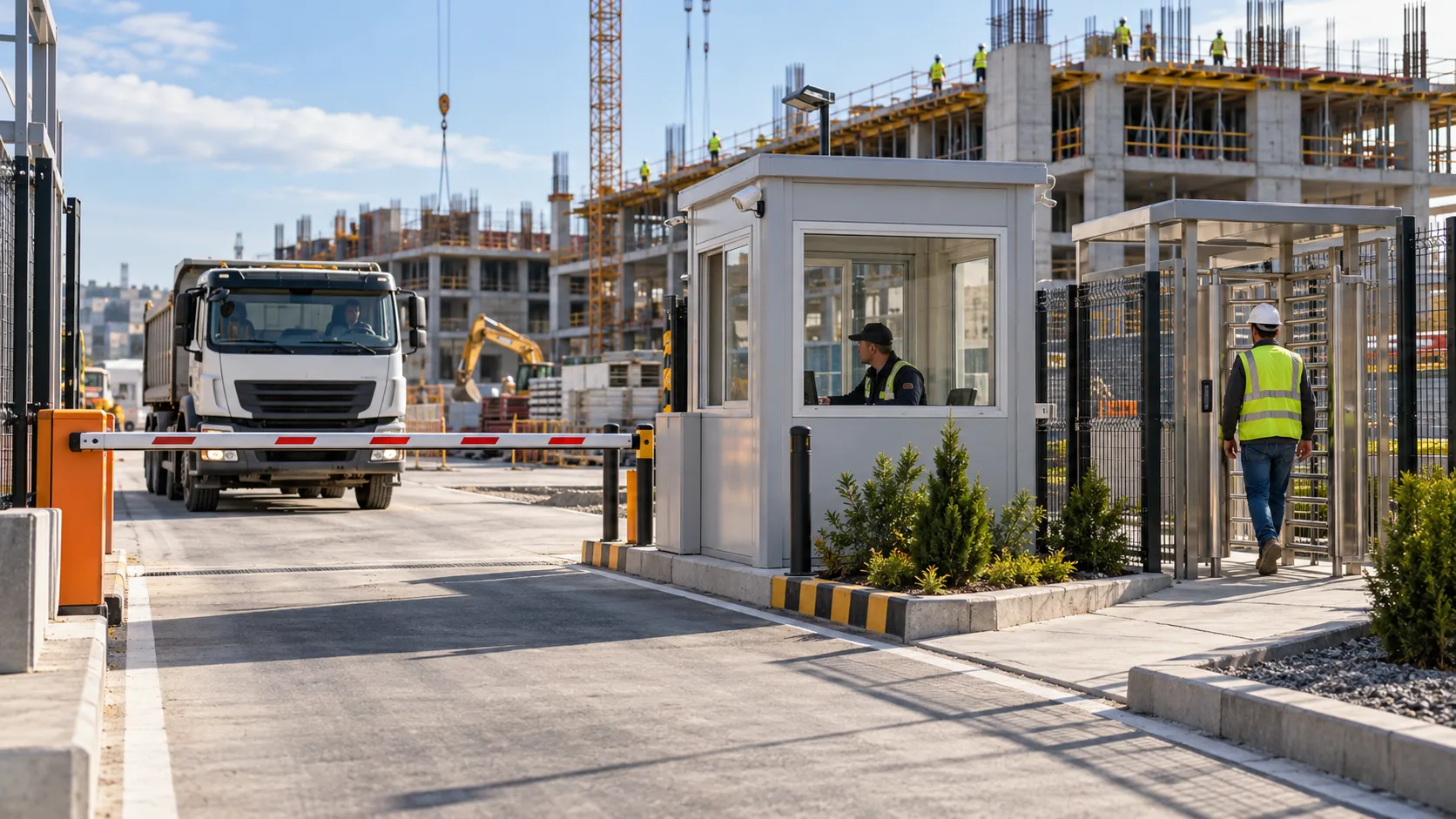
| Construction Sites | Provides workspace for project managers, engineers and field crews. |
| Temporary Projects | Offers a quick solution for short-term workspace needs. |
| Industrial Sites | Can be used as a management or operations space at factories and production facilities. |
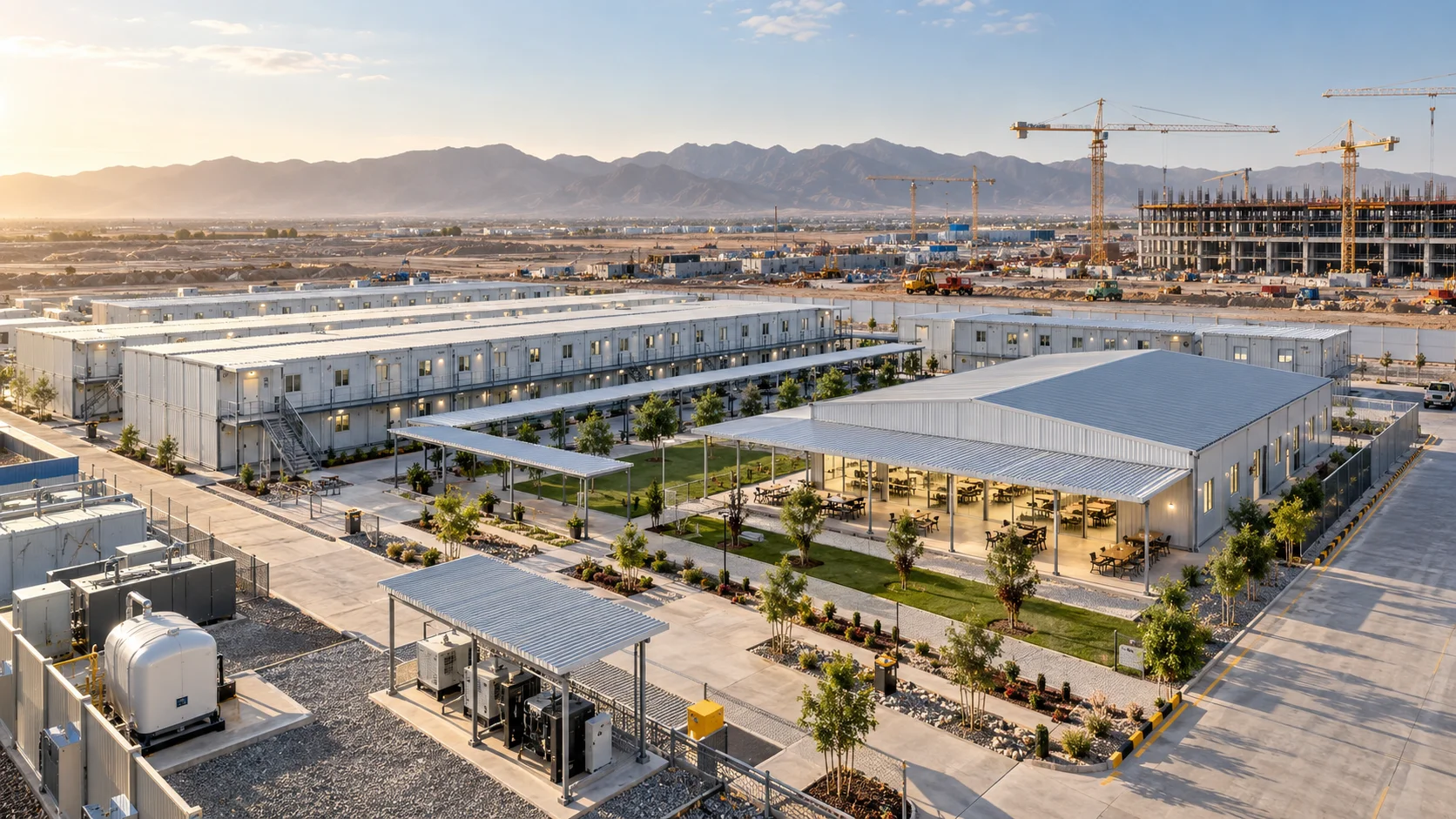
| Field Operations | Creates a practical working environment for teams working in remote areas. |
| Small Businesses | Offers an economical office alternative that can be set up quickly. |
To explore different model options and find the right solution for your project, visit our office container models and prices page.
What Should You Consider When Choosing a Container Office?
When choosing the right container office, you should consider not only the price but also how you will use it.
Points to consider:
- Intended use,
- Number of people who will work in it,
- Dimensions of the structure,
- Insulation properties,
- Electrical and plumbing requirements,
- Length of use,
- Portability requirements.
In our experience, clearly defining the intended use at the start of the project makes it easier to choose the right model and reduces the need for changes later on.
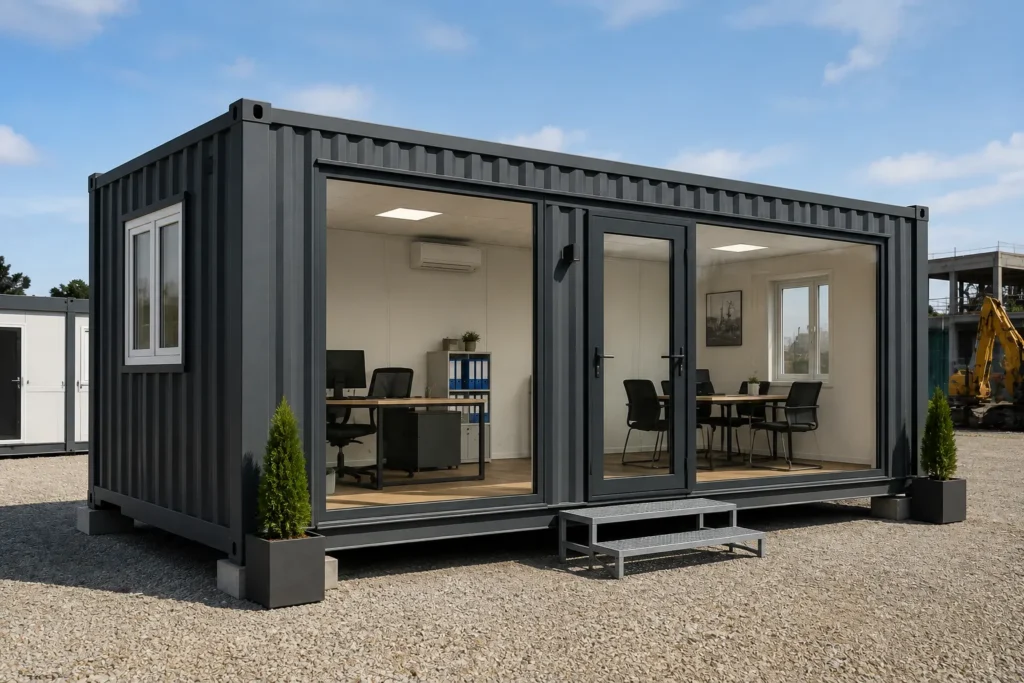
Differences Between a Container Office and a Prefabricated Office
Although container office and prefabricated office solutions are used for similar purposes, there are some differences between them.
Container systems generally stand out for:
- Faster installation,
- Easier transport,
- Their suitability for temporary or medium-term use.
Prefabricated offices, on the other hand, may be the better choice when you need a wider range of design options or plan to use the building for the long term.
To make the right choice, the project’s duration, intended use and expectations should be evaluated together.
Insulation and Comfort in Container Offices
Today’s container office models are designed not just as temporary spaces but also as comfortable working environments. During installation, details such as the following can be taken into account:
- Heat insulation,
- Sound insulation,
- Electrical infrastructure,
- Air conditioning and ventilation systems.
This makes it possible to create efficient workspaces in a variety of climate conditions.
Container Office Solutions with Alyans Prefabrik
A well-planned container office gives businesses a fast, economical and functional workspace. At Alyans Prefabrik, we offer durable, modern modular building solutions for a wide range of needs.
Frequently Asked Questions
What is a container office?
A container office is a modular workspace that is manufactured in a factory and can be installed quickly on site.
Can a container office be moved?
Yes. Container office models with a suitable design can be moved to different locations and reused.
Are container offices insulated?
Yes. Heat and sound insulation can be applied according to your needs to create more comfortable workspaces.
Where are container offices used?
They are widely used on construction sites, for field management, on temporary projects, at production facilities and by small businesses.