Landscaping is the shaping of an outdoor environment by arranging natural and man-made elements according to a specific plan. Plants, gardens and green spaces are important parts of a landscape. However, landscaping is about much more than planting. Walkways, lighting, seating areas, water features and landforms are also part of landscape design.
A well-planned landscaping project makes a space both more attractive and more functional. Landscaping is used in many places, from residential gardens to parks and from the grounds of housing complexes to commercial areas.
What Does Landscape Mean?
The word landscape refers to all the visible natural and cultural features of an area. Mountains, plains, vegetation and water sources make up the natural landscape, while buildings, roads, squares and parks are part of the cultural landscape shaped by people.
Today, the question “what is landscaping?” is mostly associated with garden and outdoor design. However, landscaping is not just about creating a beautiful view; it also involves planning a space according to its climate, soil, intended use and the needs of the people who use it.
What Is Landscape Design?
Landscape design is the process of arranging outdoor spaces in an attractive, functional and sustainable way. Every detail, from the plants to be used to the walkways and from seating areas to lighting, is considered together in this process.
A successful landscape design takes the following factors into account:
- The size and slope of the land
- The local climate
- Soil structure
- Sunny and shaded areas
- The needs of the users
- The architectural features of the building
- Irrigation and maintenance requirements
- The budget allocated to the project
Taking these factors into account results in a space that not only looks good but can also be used efficiently for many years.
What Are the Basic Elements of Landscaping?
The elements used in landscaping generally fall into two groups: plant elements and structural elements.
Plant Elements (Softscape)
Trees, shrubs, flowers, lawns and ground cover plants are the living components of a landscape. Plants do more than add visual appeal; they provide shade, help clean the air and make outdoor spaces more comfortable to use.
When selecting plants, it is important to choose species suited to the local climate. This can reduce maintenance and watering needs.
Structural Elements (Hardscape)
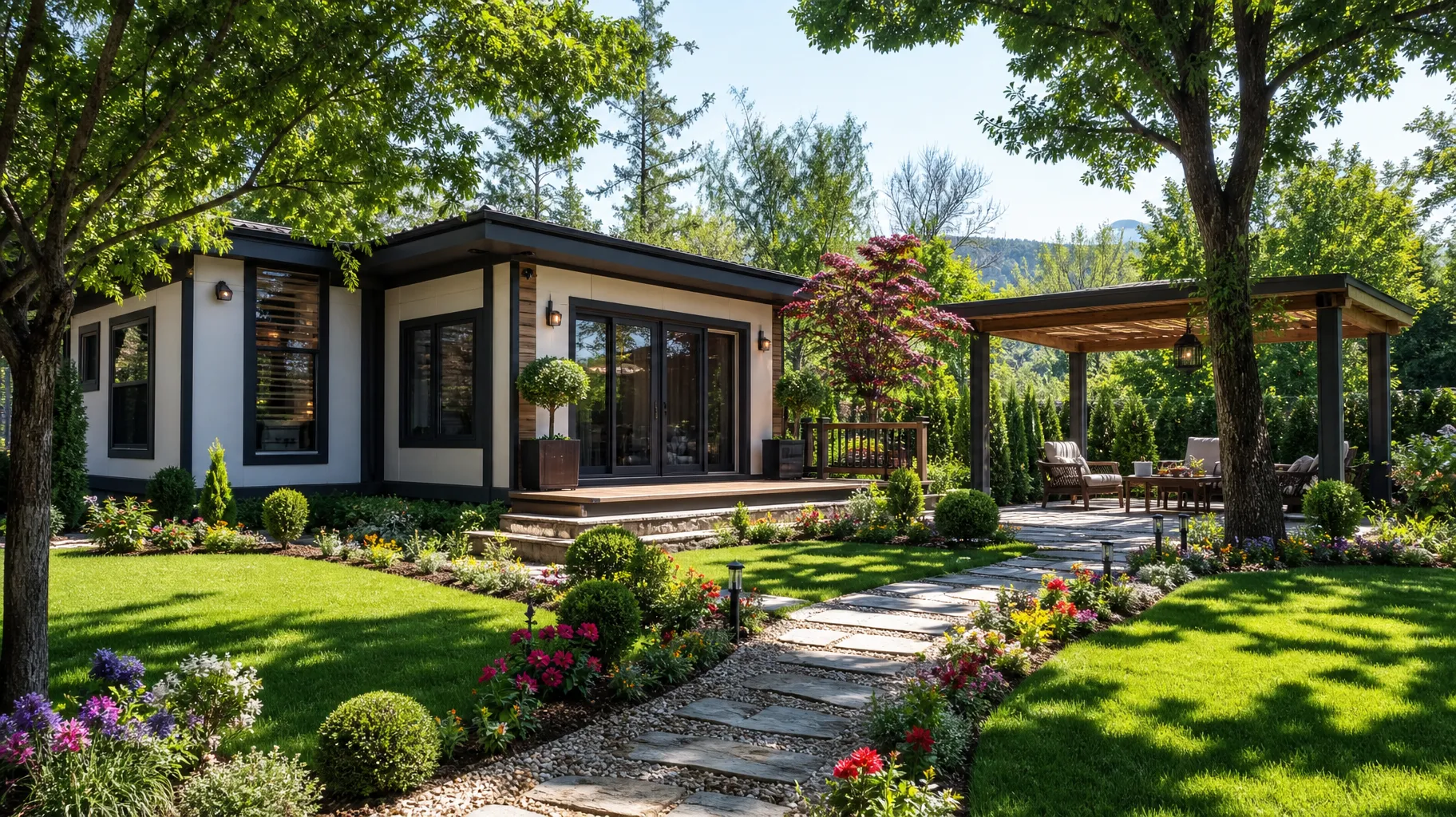
Walkways, steps, walls, pergolas, fences, seating sets and lighting fixtures are structural landscape elements. Water features such as pools, ornamental ponds and fountains also belong to this group.
These elements make the space easier to use while also defining the overall character of the landscape design.
What Are the Types of Landscaping?
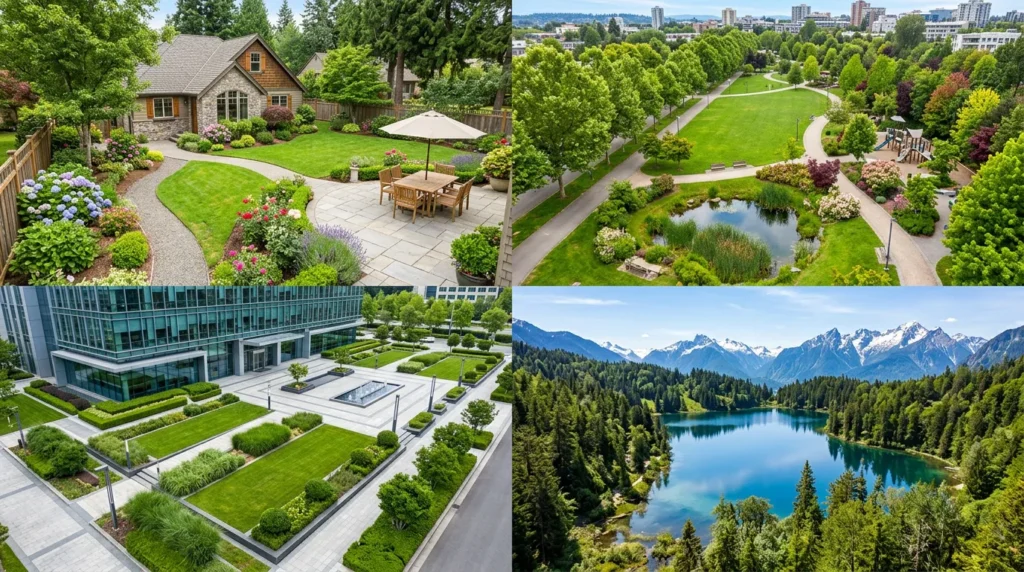
Landscaping work can be divided into different types according to where it is used and what it is for.
Residential and Garden Landscaping
This covers landscaping around detached houses, villas and prefabricated buildings. It can include features such as relaxation areas, children’s play areas, walkways, verandas and planting.
Urban Landscaping
This covers public spaces such as parks, squares, streets and recreation areas. Its main goal is to make city life more comfortable, healthier and more attractive.
Commercial Landscaping
This refers to the landscaping of hotels, restaurants, shopping malls and business premises. The aim is to create designs that reinforce the identity of the business and make a positive first impression on visitors.
Natural Landscape
Forests, lakes, coastlines and mountainous areas with limited human intervention are considered natural landscapes. Work carried out in these areas usually focuses on preserving the natural environment.
How to Create a Landscape Design
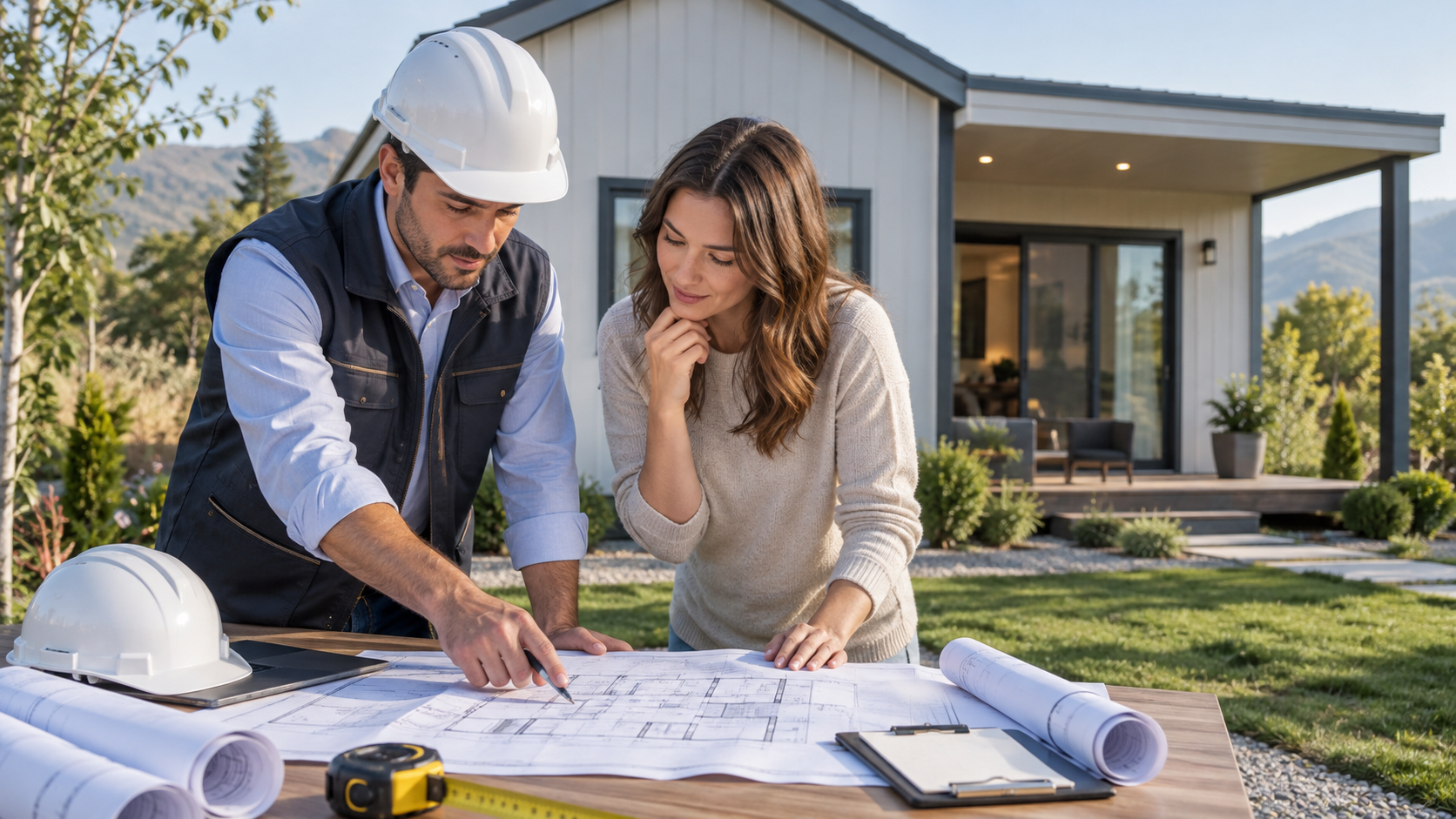
Landscape design is a planned process that begins with a study of the site.
1. Analyze the Site
The dimensions, slope, soil structure, climate and sun exposure of the land are examined. Existing trees, structures and areas that need to be preserved are identified.
2. Determine the Needs
The expectations of the people who will use the space are assessed. Needs such as a relaxation corner, parking, a children’s play area, a vegetable garden or a walkway are clarified.
3. Prepare the Design Plan
The locations of plants, paths, seating areas and other landscape elements are shown on the plan. Harmony of color, texture, scale and materials is taken into account.
4. Select Suitable Plants and Materials
Plants that can withstand the local climate and materials suited to outdoor conditions are chosen. Long-term maintenance costs are also factored in during selection.
5. Carry Out the Landscaping Work
Once ground preparation and the drainage and irrigation systems are complete, the structural elements are installed and planting is carried out.
6. Maintain It Regularly
Watering, pruning, fertilizing, weeding and seasonal plant changes are carried out regularly. This keeps the landscape looking healthy.
What Are the Benefits of Landscaping?
Well-planned landscaping enhances both quality of life and the appearance of a building.
- It makes the surroundings of a building more attractive.
- It ensures outdoor areas are used efficiently.
- It creates shaded areas and places to relax.
- It can provide natural protection against noise, wind and dust.
- With the right planting, it can increase privacy.
- It can add value to the property.
- It helps create a stronger connection with nature.
- It helps the surroundings feel more comfortable in hot weather.
Why Is Landscaping Important for Prefabricated Houses?
With the right landscape design, the surroundings of prefabricated houses can be made more cohesive and practical. An attractive look can be achieved with plants, walkways, veranda connections and lighting fixtures that suit the architectural lines of the building.
Planning the landscape together with the placement of the house helps position the driveway, parking area, garden and relaxation areas correctly. Assessing technical issues such as drainage and ground slope in advance is also important to prevent problems caused by rainwater.
What Should You Consider When Landscaping?
When landscaping, you need to think not only about how the space will look at first, but also about how it will develop in the future. The size a small sapling will eventually reach should be taken into account, and trees and shrubs should not be planted too close to the building.
Instead of plants with high water consumption, species adapted to the local climate should be chosen. Slip-resistant materials should be used for walkways, and outdoor lighting should be planned to support safety. The time and budget that can be set aside for maintenance should also be considered at the design stage.
Complete Your Living Space with the Right Landscaping
Landscaping brings natural, plant and structural elements together in an attractive and functional arrangement. A well-prepared landscape design not only complements the look of a building but also makes outdoor spaces more comfortable and efficient to use.
When landscaping the grounds of your home or prefab house, climate, soil, intended use and maintenance needs should all be considered together. With a professional landscape plan, you can create long-lasting, practical living spaces in harmony with nature.