Today, portable offices are one of the most popular ways for businesses to add the extra office space they need quickly, economically and flexibly. Whether used as a temporary site office or as a long-term administrative space, an office container lasts longer and performs better with proper maintenance.
What to Consider When Maintaining Office Containers
Regular Cleaning
In heavily used office containers, the buildup of dust, dirt and debris is inevitable. Floors, windows, doors and other interior and exterior surfaces should be cleaned regularly. This maintains a professional appearance and prevents the buildup of bacteria and allergens.
Exterior Maintenance
The building’s exterior should be cleaned periodically to prevent damage to the paint and materials. Pressure washing removes accumulated dirt and dust. In rainy climates, rain can do some of the cleaning naturally, but inspections should still be carried out, especially after severe weather.
Structural Inspections
Although office containers are known for their durability, wear or minor damage can develop in the roof and walls over time. Detecting such damage early lets you step in before it turns into major repairs or safety risks. Extreme weather such as heavy hail or strong winds can cause damage, so regular inspections are important.
Maintenance and Repair
Minor problems should be fixed as soon as they are detected. Maintaining critical parts such as seals, hinges, and window and door mechanisms preserves the office container’s functionality and comfort for a long time.
Ventilation and Maintenance in Prefabricated Offices
Proper ventilation in prefabricated offices is critical for a comfortable, healthy working environment. Especially in hot and humid regions, ventilation mechanisms can be used to prevent dampness and stuffiness. You should also make sure that window vents are opened regularly to let fresh air circulate.
Air Conditioning and Temperature Control
Air conditioning or similar climate control systems can be used to keep indoor air at a comfortable temperature. This keeps the interior comfortable, especially in the summer months.
Electrical and Plumbing Inspections
Electrical outlets, cables and lighting systems should be checked regularly for wear and faults. Plumbing components such as sinks, toilets and pipes should be inspected for leaks or blockages. These checks can be carried out when problems arise or as part of a regular maintenance schedule.
Exterior and Paint Maintenance
Office containers can fade when exposed to sun and weather. Applying fresh paint from time to time both protects the structure and gives the office a professional look.
Pest and Insect Control
Pest control treatments can be applied when necessary to keep rodents and insects out of the office. This is especially important for offices that will be used for a long time.
Water Resistance and Sealing
Depending on where the office will be placed, additional waterproofing measures can be taken. Applying weather-resistant strips or seals around the edges of doors and windows keeps water out in rainy weather.
Insulation
Solid insulation in the walls and roof is essential for a comfortable interior in both hot and cold seasons. Insulation in prefabricated offices saves energy while keeping the indoor temperature balanced and making the working environment more comfortable.
Where Container Offices Are Used Most
Container offices offer ideal solutions for businesses that need temporary or permanent workspace, thanks to their flexible structure, affordable cost and quick installation. Below are some of the ways they are used across different industries.
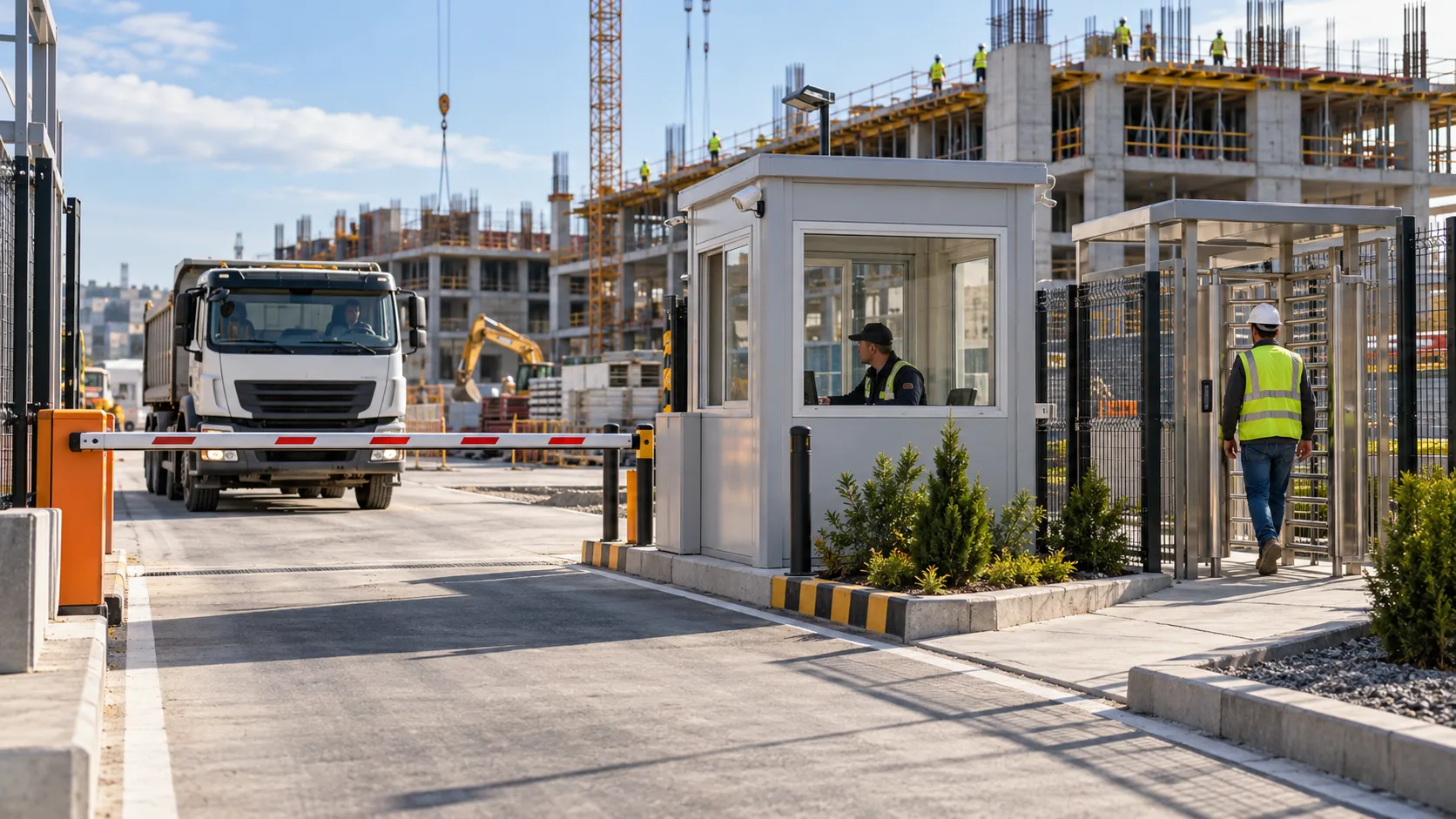
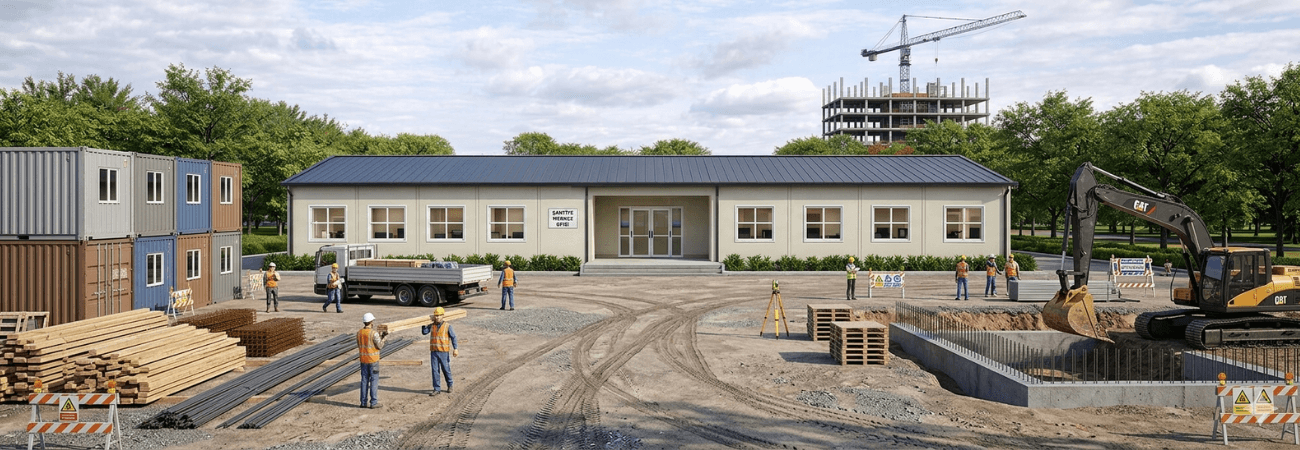
- Construction Sites
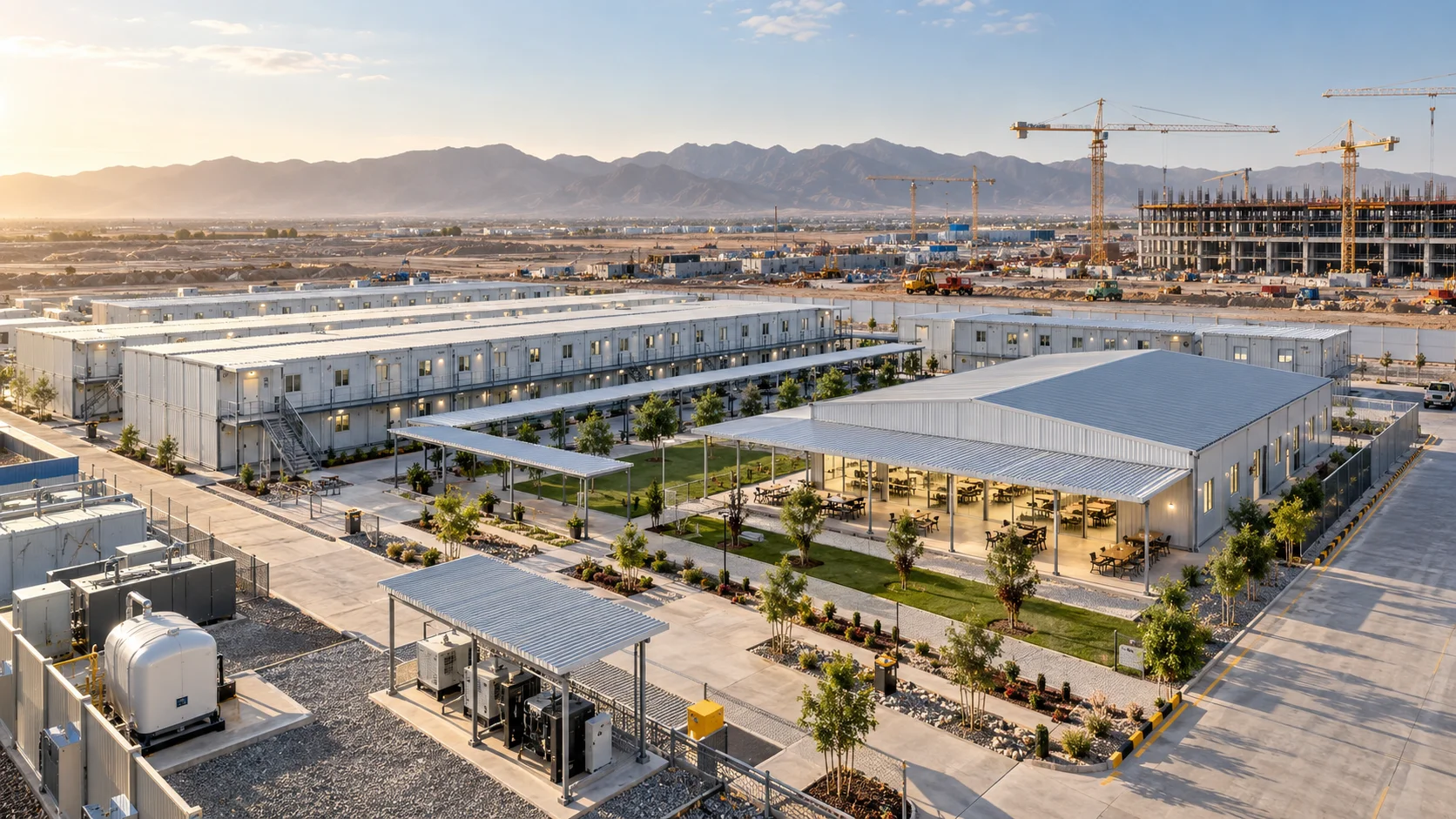
- Mining and Energy Sectors
- Disaster Relief Operations
- Oil and Gas Industry
- Temporary Business Offices
- Military Bases
- Outdoor Event Management
- Temporary Retail Stores and Showrooms
- Film and TV Productions
- Real Estate Sales Offices
- Education and Training Centers
- Community Health Centers
- Logistics and Distribution Centers
- Aid Organizations
- Port and Airport Terminals
- Municipal and Government Field Offices
- Temporary Company Headquarters
- Architecture and Engineering Firms
- Temporary Coworking Spaces
- Exhibition and Trade Show Offices
- Tourism Camps
- Retail Distribution Points
Frequently Asked Questions
What is the most critical maintenance step for extending the service life of office containers?
The most critical step is checking that the building is watertight. Keeping the container’s roof drainage channels clear and periodically checking door and window seals prevents corrosion of the steel components. Although Alyans Prefabrik units feature weather-resistant baked enamel paint and a galvanized structure, these simple checks can extend the building’s life by decades.
Are prefabricated offices suitable for technology-heavy software or engineering offices?
Yes, they are very well suited. Our container and prefabricated offices are manufactured with a technical infrastructure that can accommodate high-capacity data cabling, uninterruptible power supply (UPS) connections and powerful climate control systems. In addition, the stable temperatures that servers and computers need can be maintained at low energy cost thanks to the high-density panel insulation.
How is an attractive appearance maintained in prestige-focused spaces such as container sales offices?
In spaces such as real estate sales offices or showrooms, the standard container look can be completely transformed with exterior cladding (cement board, wood or composite). In addition, the exterior and paint maintenance described above keeps the building looking new and professional at all times. Alyans Prefabrik delivers prestigious workspaces by combining the speed of modular construction with attractive architectural details.