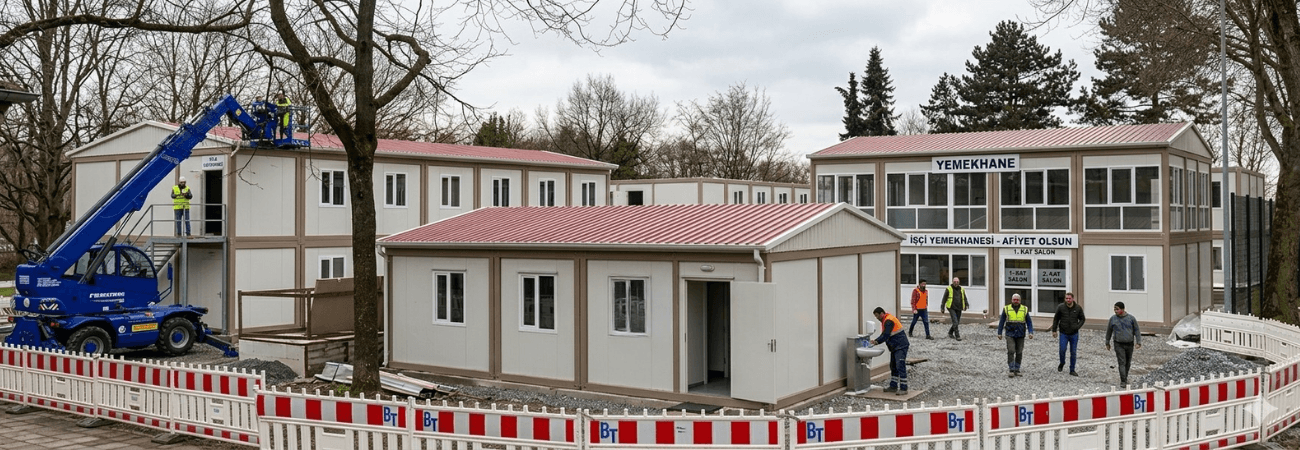
Prefabricated dining halls offer practical solutions for mass meal production and serving. However, maintaining hygiene standards in these areas is critical for both food safety and employee health.
Regular cleaning and proper hygiene practices ensure that prefabricated dining halls are used efficiently and safely.
How Is Cleanliness Ensured in Prefabricated Dining Halls?
For the cleaning process to be sustainable, it needs to follow certain rules.
1. Create a Cleaning Plan
Daily, weekly and monthly cleaning schedules should be prepared for dining halls.
The plan should address topics such as:
- Surface cleaning
- Equipment maintenance
- Overall order of the space
Each of these topics should be covered separately in the plan.
Provide Staff Hygiene Training
For hygiene to be sustainable, staff need to be well informed.
- Handwashing habits
- Personal hygiene rules
- Proper use of cleaning products
These topics should be communicated to staff on a regular basis.
Surface and Equipment Cleaning
Areas where food is prepared and served should be cleaned regularly.
- Prep counters
- Cooking equipment
- Serving areas
Regular disinfection of these areas ensures that hygiene standards are maintained.
Dishwashing and Equipment Hygiene
- All equipment used must be cleaned hygienically.
- Dishes should be washed at high temperatures
- Cleaning processes should be checked
- Sterilization should be applied whenever necessary.
Staff Hygiene Rules
Employees must follow hygiene rules:
- Regular handwashing
- Wearing hygienic clothing
- Hair and personal grooming standards
These rules have a direct impact on food safety.
Advantages of Prefabricated Dining Halls
Prefabricated dining hall buildings offer businesses many advantages:
- Quick installation
- Easy expansion thanks to modular design
- Interior design suited to regular cleaning
- Can be moved to different locations
These features provide significant convenience, especially in areas with heavy use.
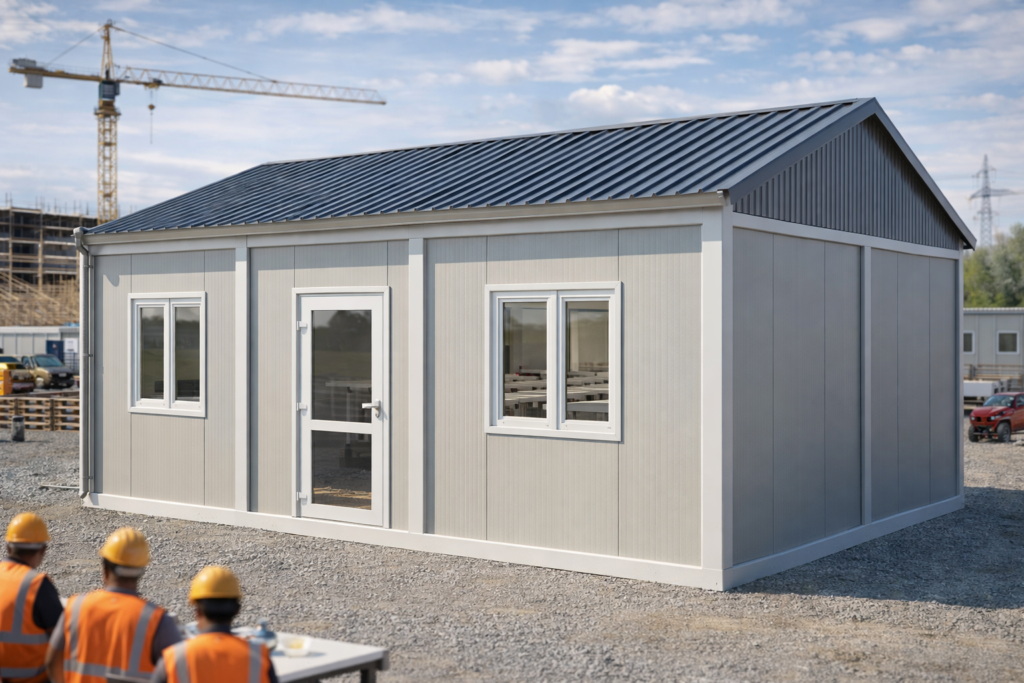
Prefabricated Dining Hall Solutions for Emergencies
In disasters, fieldwork or temporary settlements, fast meal production is essential. Prefabricated dining halls:
- Can be installed in a short time
- Can have their capacity increased as needed
- Can be moved to different locations
These buildings help meet food needs in an orderly way during emergency management.
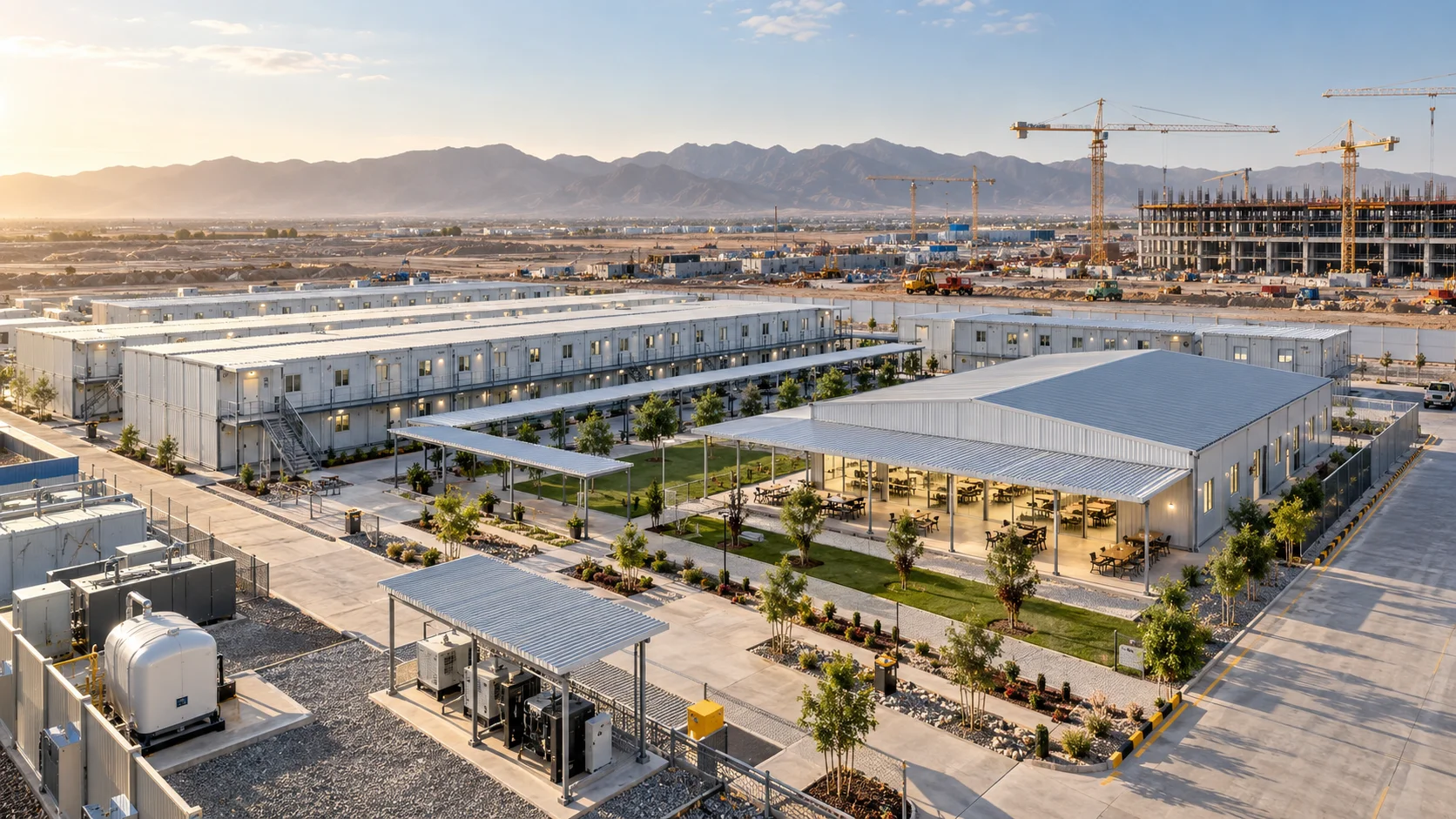
In some projects, they can be combined with prefabricated dormitory buildings to create comprehensive living quarters for workers.
Frequently Asked Questions
1. How is hygiene maintained in prefabricated dining halls?
Hygiene standards are maintained through a regular cleaning plan, staff training and the use of proper equipment. The smooth, antibacterial surface panels we use in our buildings resist dirt thanks to their special structure, preventing microbial growth and allowing disinfection to be completed much faster and more effectively.
2. How often should cleaning be done?
Daily cleaning is a must, and weekly and monthly deep-cleaning plans should also be implemented. In high-traffic areas such as dining halls, sanitizing floors and countertops with suitable solutions after every meal keeps the modular building as hygienic as on day one for many years.
3. Are these buildings suitable for long-term use?
Depending on the materials used and the maintenance routine, they are suitable for long-term use. The dining halls we build with a galvanized, high-density steel frame and a corrosion-resistant sandwich panel system are designed to serve for decades without losing their structural integrity, despite harsh site conditions and heavy use.
To get a quote now, click here.